Austrian Wine Pronunciation Guide
For many luxury wine collectors and enthusiasts in the United States, Austrian wines are a hidden gem, celebrated for their precision, elegance, and investment potential. Yet, for all their sophistication, a subtle barrier remains: the fear of mispronouncing the intricate German and Austrian wine terminology. This guide is designed to remove that barrier, giving you the confidence to discuss, purchase, and enjoy Austrian wines like a true connoisseur.
Why Pronunciation Matters in the Luxury Wine Market
Pronunciation in the luxury wine market is more than etiquette—it is a reflection of your knowledge, sophistication, and appreciation for craftsmanship. Mispronouncing terms such as Grüner Veltliner or Sankt Laurent can inadvertently diminish your perceived expertise when engaging with sommeliers, wine merchants, or fellow collectors.
In the world of Austrian wine, where small-scale, family-owned estates emphasize artisanal production and terroir-driven excellence, every detail counts—including how you articulate the names of these celebrated wines.
“Pronouncing a wine correctly is a subtle but powerful signal of respect for the vintners and the land. It’s the difference between being a guest in the world of wine and being an insider.”
— Johann Leitner, Master Sommelier, Vienna
The Key to Austrian Wine Pronunciation
Germanic languages are notorious for their consonant clusters and umlauts. For high-end Austrian wines, attention to detail in pronunciation mirrors the precision of the wine itself. Below is a concise guide to the most prestigious Austrian varietals:
Grüner Veltliner
- Pronunciation: GROO-ner FELT-lee-ner
- Notes: Austria’s flagship white, renowned for its minerality and elegance. Saying it correctly signals sophistication.
Riesling
- Pronunciation: REES-ling
- Notes: Crisp, expressive, and age-worthy. Mastering the pronunciation elevates your credibility when discussing vintage selections.
Sankt Laurent
- Pronunciation: ZAHNKT LORE-ahn
- Notes: A seductive red varietal with investment potential comparable to Burgundy. Correct articulation reflects true connoisseurship.
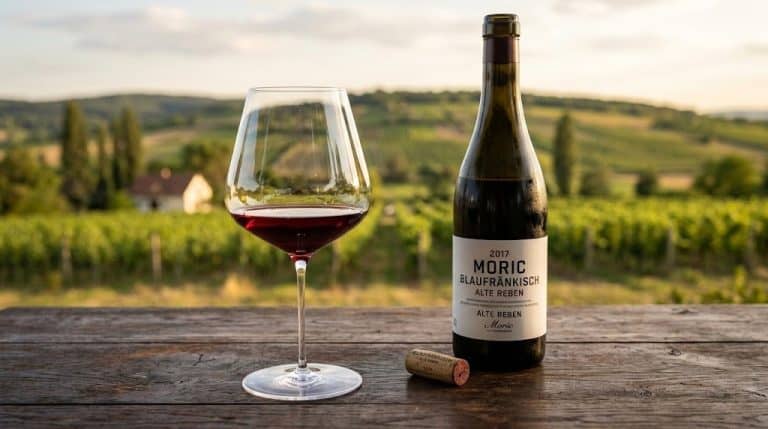
Blaufränkisch
- Pronunciation: BLOW-FRENK-eesh
- Notes: Known for structure, depth, and aging potential. Precision in pronunciation aligns with understanding the wine’s pedigree.
Zweigelt
- Pronunciation: TSVY-gelt
- Notes: Austria’s most planted red grape, versatile yet refined. Correct pronunciation demonstrates familiarity with Austria’s vinous landscape.
Collector’s Top Picks
Best Seller
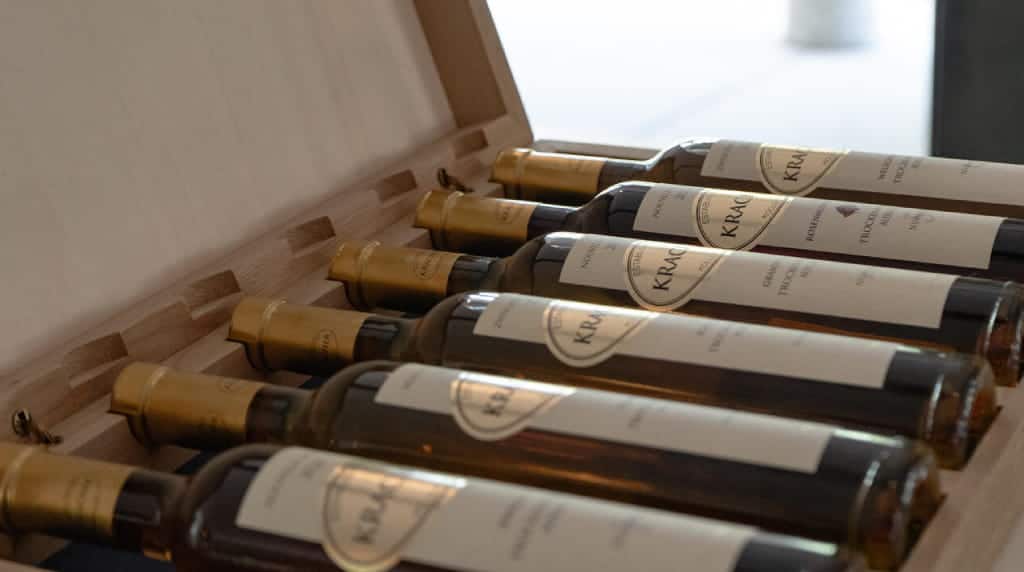
Kracher TBA
Collection
Why It Stands Out
- The ultimate trophy for any dessert wine collector.
- Contain 6–12 individual TBAs, each showing different vinification styles.
- Produced utilizing the unique Neusiedlersee fog.
- Concentrated aromas of honeyed mango, crème brûlée, and white truffle.
An unparalleled variety and regional specificity in a single luxury case.
Price Range: –
Best Seller
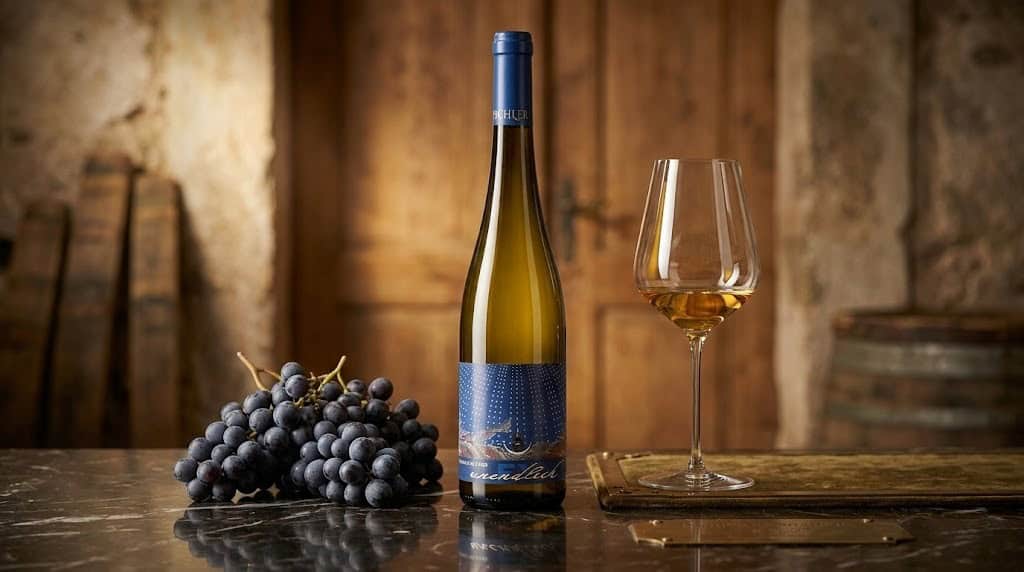
F.X. Pichler
“Unendlich”
Why It Stands Out
- Widely considered the most prestigious dry white wine in Austria.
- Produced only in exceptional years from the finest terraced parcels.
- The Infinite label signifies a wine with no end in sight for its complexity.
- Notes of exotic stone fruit, wet slate minerality.
A investment for collectors seeking the absolute apex of dry Grüner Veltliner or Riesling from the Wachau.
Price Range: –
The Investment Value of Austrian Wines
Austrian wines are increasingly recognized in the investment market, akin to fine Bordeaux or cult Italian wines. Limited production, meticulous craftsmanship, and international acclaim elevate certain bottles to highly sought-after status. Understanding the correct pronunciation of vintages and estates is critical when navigating auctions or private collections—it signals both knowledge and exclusivity.
For seasoned collectors, a perfectly cellared Blaufränkisch—deep in color, impeccably structured—can feel like pure porno: an indulgence of craftsmanship, rarity, and visual allure reserved for those who truly understand its value
Tips for Mastering Austrian Wine Names
- Listen and Repeat: Audio guides from reputable sommeliers are invaluable for refining pronunciation.
- Break It Down: Divide compound names into smaller, manageable segments (Grü-ner Vel-tli-ner).
- Focus on Umlauts: Umlauts, such as in Grüner, alter the vowel sound and are essential for correct pronunciation.
- Use Context: Discussing wines in tasting rooms or events reinforces learning and confidence.
- Engage Experts: Sommeliers, vintners, and collectors will often appreciate and reciprocate your effort to pronounce names correctly.
“Pronunciation is the first step to understanding. When a client articulates a wine’s name correctly, doors to exclusive vintages often open more easily.”
— Elisabeth Hofmann, Wine Collector & Consultant, Vienna
Regional Nuances in Austrian Wine Names
Austria’s wine regions—Wachau, Kamptal, Kremstal, Burgenland—carry distinct terroirs and varietals. Pronunciation varies subtly across regions, particularly in estate names. High-net-worth collectors seeking rare bottles should prioritize correct articulation to enhance both social and commercial interactions.
- Wachau: Veltliner and Riesling dominate, pronunciations favor crisp, clear enunciation.
- Burgenland: Red varietals like Blaufränkisch require soft consonant articulation.
- Steiermark (Styria): Sauvignon Blancs are notable; stress on syllables matters for clarity.
Elevating Your Luxury Experience
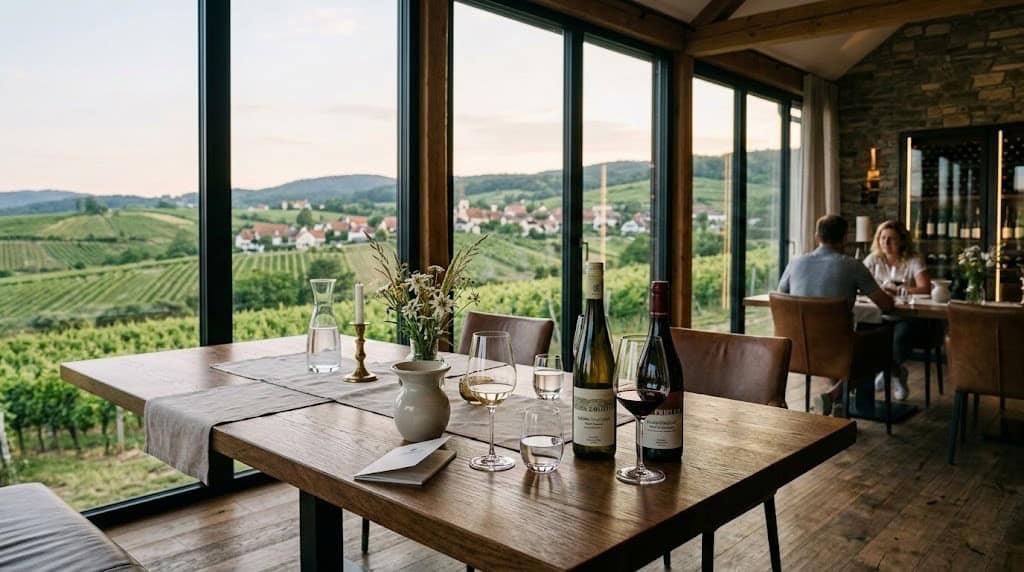
Mastering pronunciation is a gateway to immersive experiences: exclusive vineyard visits, high-end tastings, and cellar acquisitions. The confidence gained allows collectors and enthusiasts to fully appreciate the nuances of Austrian craftsmanship without the distraction of linguistic hesitation.
Common Mispronunciations to Avoid
| Common Mispronunciation | Correct Pronunciation |
|---|---|
| “Groo-ner Velt-liner” | GROO-ner FELT-lee-ner |
| “Sank Laurent” | ZAHNKT LORE-ahn |
| “Blau-frank-ish” | BLOW-FRENK-eesh |
| “Tsvy-gelt” | TSVY-gelt |
Being precise demonstrates sophistication, and in the world of luxury wine, sophistication is everything.
The Path to Connoisseur-Level Fluency
For collectors, sommeliers, and enthusiasts, fluency in Austrian wine pronunciation is not just a novelty—it is a mark of refinement. Begin by memorizing the key varietals, integrate estate names, and practice with peers or professionals. Over time, confidence in speech mirrors mastery in wine tasting and selection.
Final Thoughts
Austrian wines reward patience, attention, and refinement. By mastering pronunciation, you unlock a deeper connection to the region’s heritage, craftsmanship, and investment potential. Whether conversing with vintners, navigating auctions, or impressing at luxury tastings, correct articulation is your key to exclusivity.
Mastering Austrian wine names elevates your entire experience from casual enjoyment to the rarefied world of wine connoisseurship. Speak confidently, collect wisely, and savor every nuance.