Liquid Gold: A Guide to Trockenbeerenauslese (TBA)
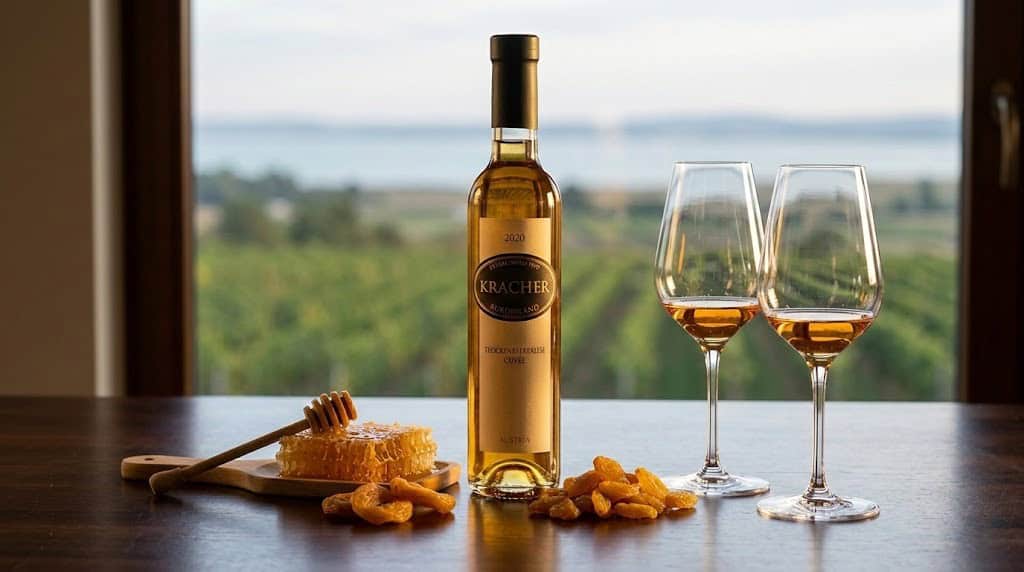
Few indulgences in the world of wine rival the opulence and rarity of Trockenbeerenauslese (TBA). Often called “liquid gold,” these ultra-rare dessert wines are the pinnacle of Austrian winemaking craftsmanship. Produced in the Neusiedlersee region, TBA wines are not just beverages—they are collectible investments, gifts of distinction, and experiences that linger long after the last sip.
“Trockenbeerenauslese represents the convergence of nature’s precision and human artistry,” says Dr. Lukas Brandt, a master sommelier and wine consultant. “It is a wine that commands attention not just for its sweetness, but for its unparalleled concentration and depth.”
What is Trockenbeerenauslese (TBA)?
Trockenbeerenauslese is a classification reserved for Austria’s rarest dessert wines. The term translates roughly to “dry berry selection,” highlighting the painstaking process by which overripe, botrytized grapes are hand-selected for maximum flavor concentration.
Unlike late harvest wines, TBA grapes are affected by noble rot (Botrytis cinerea), which dehydrates the berries, intensifying sugars and flavors. The result is a lusciously rich wine with remarkable acidity, offering layers of complexity, from honey and dried apricot to saffron and caramelized citrus.
Investment Note: Because of its rarity—often fewer than a few hundred bottles per vintage—TBA can appreciate in value over time, making it both a luxury indulgence and a collectible asset.
The Neusiedlersee Terroir: A Symphony of Soil, Sun, and Water
The magic of TBA begins with the Neusiedlersee region, a UNESCO-protected cultural landscape in eastern Austria. Here, shallow lake waters create a humid microclimate that encourages noble rot, while expansive sun exposure ensures grapes achieve perfect ripeness.
The sandy soils and loess layers imbue wines with a subtle minerality, balancing the extraordinary sweetness and elevating TBA from mere dessert wine to a masterpiece of terroir.
“Neusiedlersee is unique. The climate, the soils, the dedication of vintners—there is nowhere else in the world where TBA reaches such purity and elegance,” notes Elena Fischer, head winemaker at Weingut Kracher.
Craftsmanship in Every Bottle
Creating a TBA is a labor of love, often requiring months of vineyard vigilance. Grapes are harvested individually, sometimes over several passes through the vineyard, selecting only the perfectly botrytized berries.
Winemaking itself is equally meticulous. Small lots are gently pressed to preserve aroma and flavor, then fermented slowly in barrels or stainless steel tanks, often extending over months. This painstaking process ensures that each bottle captures the essence of the vintage, the vineyard, and the vintner’s vision.
Flavor Profile Highlights:
- Honeyed apricot and dried peach
- Caramelized citrus peel and saffron
- Butterscotch, vanilla, and subtle almond notes
- Lingering finish with crystalline acidity
TBA as a Luxury Gift
For high-net-worth individuals, TBA is more than a dessert wine—it is a statement of sophistication. The rarity, exquisite craftsmanship, and storied provenance make it the ideal gift for discerning clients, collectors, or intimate celebrations.
Luxury gifting with TBA conveys exclusivity. It signals that the giver appreciates artistry, heritage, and refinement—qualities that resonate with connoisseurs and collectors alike.
Collector’s Top Picks
Best Seller
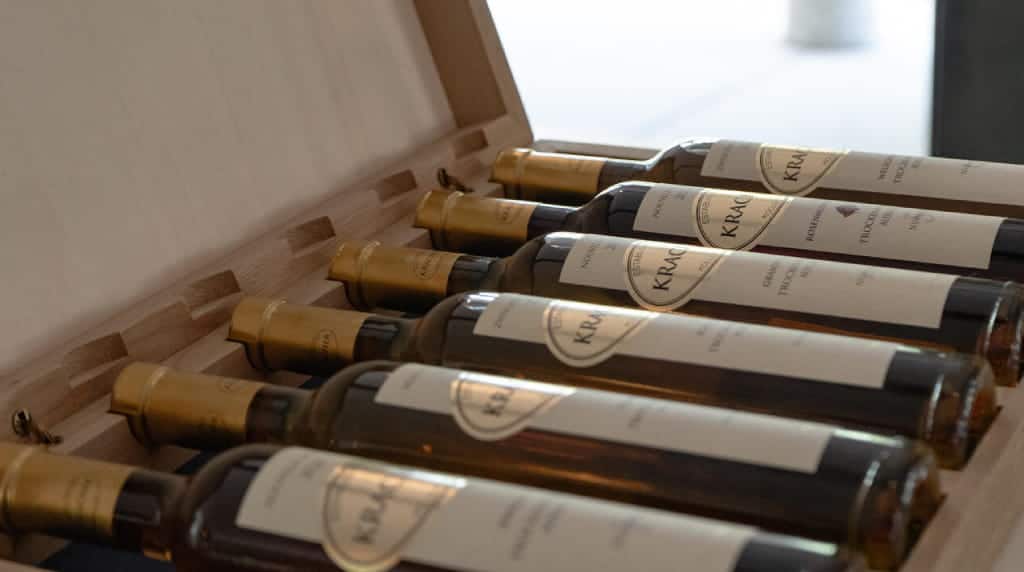
Kracher TBA
Collection
Why It Stands Out
- The ultimate trophy for any dessert wine collector.
- Contain 6–12 individual TBAs, each showing different vinification styles.
- Produced utilizing the unique Neusiedlersee fog.
- Concentrated aromas of honeyed mango, crème brûlée, and white truffle.
An unparalleled variety and regional specificity in a single luxury case.
Price Range: –
Best Seller
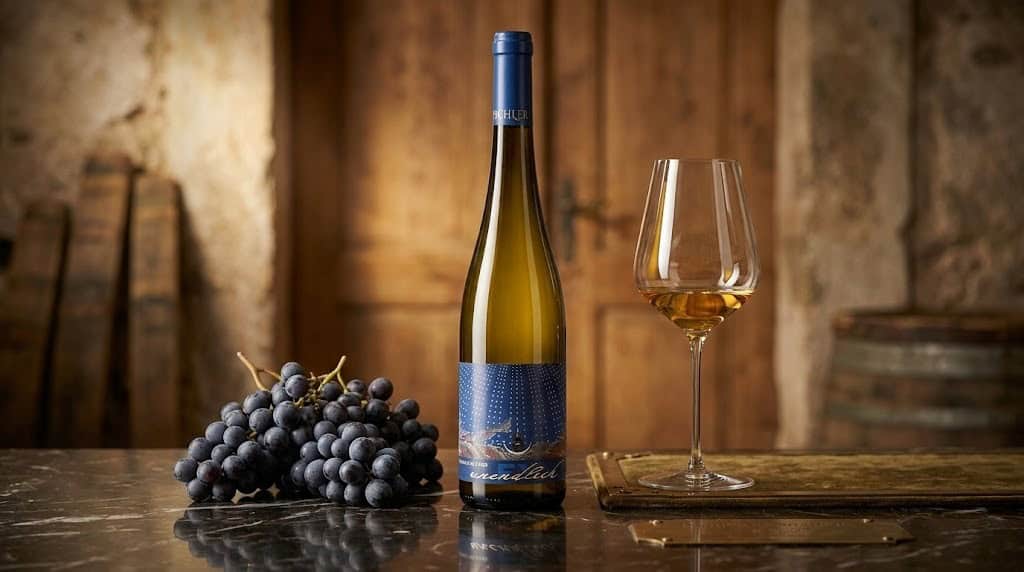
F.X. Pichler
“Unendlich”
Why It Stands Out
- Widely considered the most prestigious dry white wine in Austria.
- Produced only in exceptional years from the finest terraced parcels.
- The Infinite label signifies a wine with no end in sight for its complexity.
- Notes of exotic stone fruit, wet slate minerality.
A investment for collectors seeking the absolute apex of dry Grüner Veltliner or Riesling from the Wachau.
Price Range: –
Pairing TBA: Culinary Indulgence
Pairing Trockenbeerenauslese is an art form. The wine’s intensity and sweetness demand dishes that complement, not compete.
Classic Pairings:
- Foie gras with apricot glaze
- Artisan cheeses, particularly aged blue or washed-rind varieties
- Exotic desserts like saffron crème brûlée or pistachio torte
- Fine chocolate with fruit-infused ganache
For the luxury host, TBA elevates the dining experience to a sensory event, transforming even a simple dessert course into a lavish tasting journey.
Collecting TBA: An Investment Perspective
Beyond pleasure, TBA is increasingly recognized as a viable investment wine. Key factors influencing value:
- Vintage Rarity: Limited production creates inherent scarcity.
- Winery Reputation: Estates like Weingut Kracher, Feiler-Artinger, and Heinrich Kracher are internationally revered.
- Storage and Cellaring: Properly stored TBA can mature gracefully for decades, enhancing both flavor complexity and market value.
“Serious collectors view TBA not just as wine, but as a tangible asset. Its value often appreciates alongside global demand for ultra-premium, limited-release vintages,” explains Dr. Maximilian Hartmann, wine investment advisor.
The Sensory Experience: Why TBA Transcends Ordinary Dessert Wines
Sipping Trockenbeerenauslese is a moment of indulgence unlike any other. Its viscous texture, radiant amber color, and aromatic depth create a multisensory experience. The first sip reveals a honeyed richness, evolving into nuanced layers of citrus, dried stone fruits, and subtle floral notes. Acidity balances the sweetness, ensuring the wine remains vibrant rather than cloying.
Luxury enthusiasts recognize that TBA offers not just flavor, but a story—of terroir, craftsmanship, and human dedication, captured in a bottle.
Buying TBA: Exclusive Tips
For collectors and luxury buyers, sourcing TBA requires discernment. Consider these expert guidelines:
- Buy from established, reputable producers to guarantee authenticity.
- Opt for small, collectible formats (375ml or 500ml) for aging potential.
- Research vintage conditions: exceptional vintages in Neusiedlersee (e.g., 2013, 2015, 2018) yield remarkable TBA.
- Consider provenance and storage: wine stored correctly in temperature- and humidity-controlled conditions retains investment value.
Liquid Gold for Connoisseurs
Trockenbeerenauslese embodies the pinnacle of wine craftsmanship—a confluence of rare terroir, meticulous vineyard work, and refined winemaking artistry. For high-net-worth individuals, it offers more than indulgence: it represents exclusivity, sophistication, and long-term value.
Whether gifted to a client, collected as an investment, or savored as a personal luxury, TBA is a wine that leaves a lasting impression. Its amber liquid whispers stories of Neusiedlersee’s sun-drenched vineyards, botrytized grapes, and vintners’ relentless pursuit of perfection. Truly, this is wine as art—liquid gold in every sense.