Wachau vs. Kamptal: Discover Austria’s Premier White Wine Terraces
Austria’s white wine heritage has long captivated connoisseurs, but two regions stand as the undisputed pinnacles of the craft: Wachau and Kamptal. Both regions showcase meticulous vineyard management, centuries-old terracing, and unparalleled expressions of Grüner Veltliner and Riesling. For the discerning collector or investor, understanding their nuanced differences is key to acquiring bottles that not only deliver on taste but also retain exceptional investment value.
The Prestige of Austrian Terraces
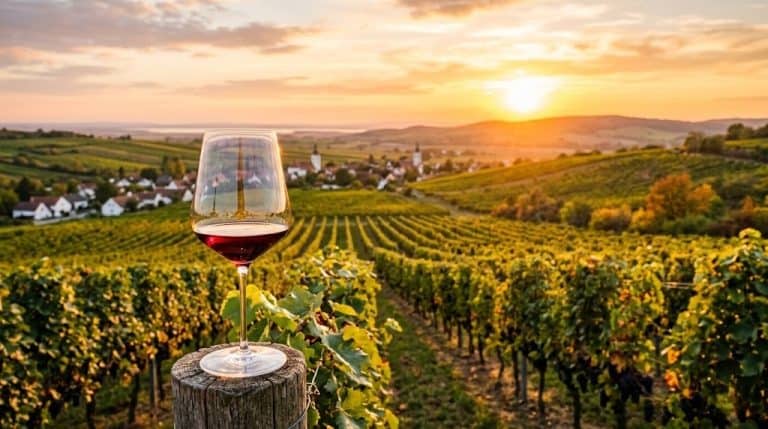
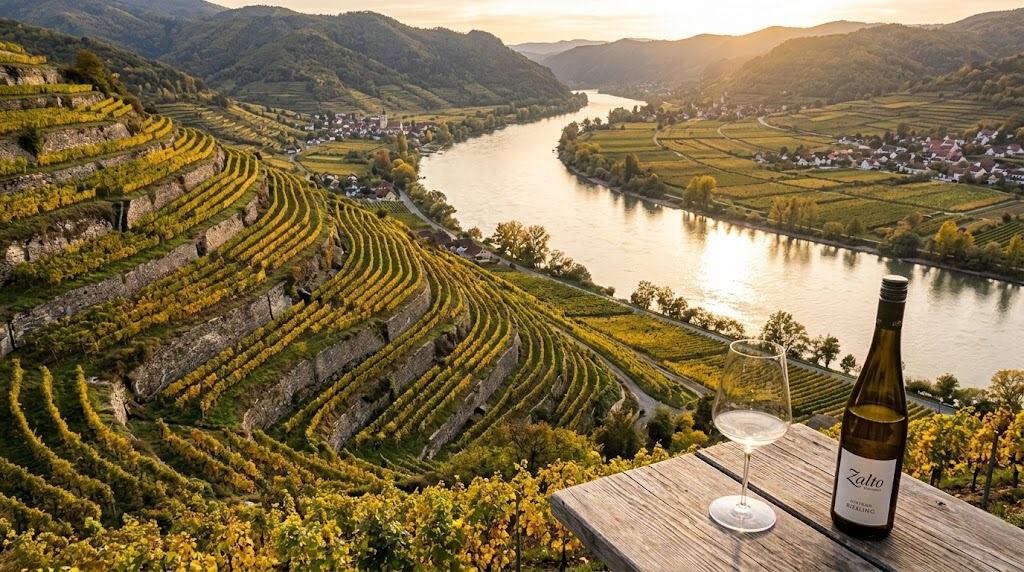
The steep, terraced vineyards of Austria are more than a scenic marvel—they are a testament to human ingenuity and dedication. Wachau’s terraces, carved into the rugged Danube valley over centuries, are a UNESCO World Heritage visual signature. Kamptal’s slopes, though gentler, exhibit equally rigorous viticultural precision. These terraces demand intensive labor and craftsmanship, qualities reflected in the sophistication of the wines produced.
“The terracing in Wachau isn’t just about aesthetics. It’s a statement of intent—every bottle embodies centuries of careful soil stewardship and precise sun exposure.” — Dr. Helmut Wenger, Austrian Wine Historian
Soil Profiles: The Foundation of Terroir
Wachau: The Geological Mosaic
Wachau is celebrated for its rocky, mineral-rich soils, with primary compositions of gneiss, granite, and loess. This diversity provides a spectrum of microclimates, where grapes can express both mineral austerity and lush fruit character. The region’s terraces enhance sunlight capture and drainage, ensuring grapes develop concentrated flavors while maintaining a signature freshness.
Wachau wines often carry pronounced minerality, a hallmark of investment-worthy bottles that age gracefully for decades. Collectors value Wachau’s Steinfeder, Federspiel, and Smaragd classifications, each signaling increasing ripeness and concentration.
Kamptal: The Noble Loess and Quartz
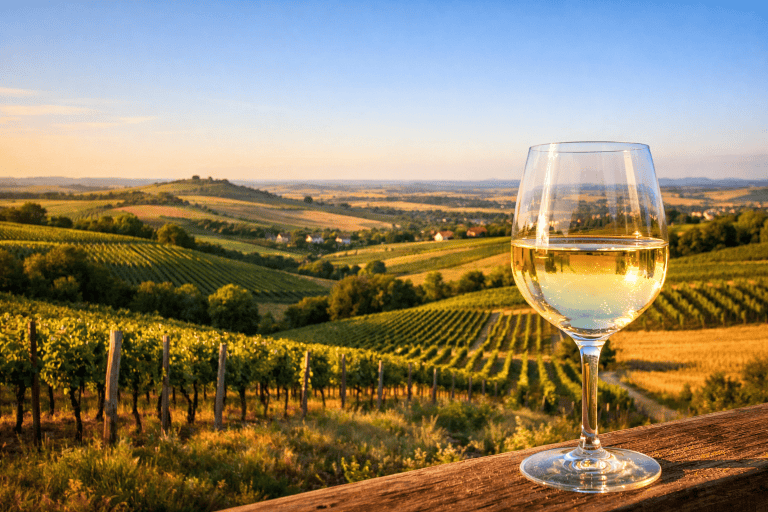
Kamptal’s vineyards, often described as the “Burgundy of Austria”, rest on deep loess soils interspersed with quartzite and mica. This composition favors elegant, structured Grüner Veltliner and Riesling, offering tension and length rather than opulent richness. The subtle, chalky undertones in Kamptal wines make them particularly appealing for investors seeking long-term cellar potential, especially in single-vineyard bottlings from estates such as Bründlmayer and Hirsch.
“Kamptal’s soils whisper refinement. Every sip hints at centuries of meticulous care, and the best vintages reward those with patience.” — Anna Schmid, Master Sommelier, Vienna
Climate Influence: Crafting Expression
The difference between Wachau and Kamptal is not only geological but also climatic.
- Wachau enjoys a continental climate with river-moderated warmth, producing riper, more voluptuous wines without losing structure.
- Kamptal experiences cooler nights, which preserve acidity and aromatic complexity, allowing wines to maintain vibrancy for decades.
For collectors, this climatic contrast informs the investment strategy: Wachau’s Smaragd wines are immediate showstoppers, while Kamptal Rieslings often reward decade-long cellaring.
Signature Grapes: Grüner Veltliner and Riesling
Both regions excel with Grüner Veltliner, Austria’s flagship grape, and Riesling, though stylistic nuances diverge:
- Wachau Grüner Veltliner: Powerful, mineral-laden, and capable of immense longevity. Smaragd bottlings can evolve gracefully for 20+ years.
- Kamptal Grüner Veltliner: More restrained and structured, showcasing citrus, white pepper, and subtle minerality—a connoisseur’s delight.
- Riesling: Wachau favors richness and texture, while Kamptal emphasizes precision and tension, often yielding investment-grade Rieslings prized by collectors globally.
Investment Considerations
For the high-income collector, Austrian whites represent a rare opportunity:
- Scarcity and Terracing Costs: Terraced vineyards limit yields, enhancing rarity and value.
- Critical Acclaim: Top producers consistently earn accolades from Falstaff, Wine Spectator, and Decanter.
- Aging Potential: Both Wachau Smaragd and Kamptal single-vineyard Rieslings reward patient collectors with compound complexity over decades.
- Global Demand: U.S. and Asian collectors increasingly target these wines, reinforcing their secondary market resilience.
“A carefully chosen Wachau Smaragd can be both a sublime tasting experience and a tangible asset. Rarely does wine offer such dual satisfaction.” — Markus Gruber, Investment Wine Consultant
Tasting and Presentation: Luxury in Every Detail
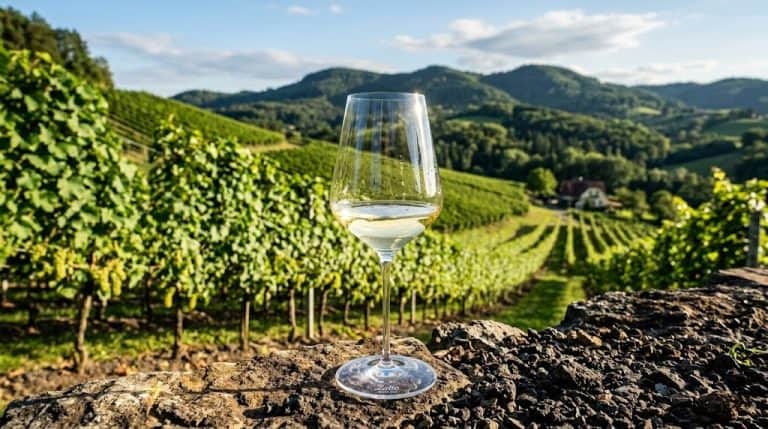
For the ultimate tasting experience, presentation matters as much as provenance. Serving these wines in Zalto glassware—renowned for its ultra-thin, hand-blown elegance—enhances aroma perception and mouthfeel, ensuring the wine expresses its full personality. The combination of terroir-driven wine and exquisite glassware elevates any private tasting to an immersive, almost theatrical event.
Collector’s Top Picks
Best Seller
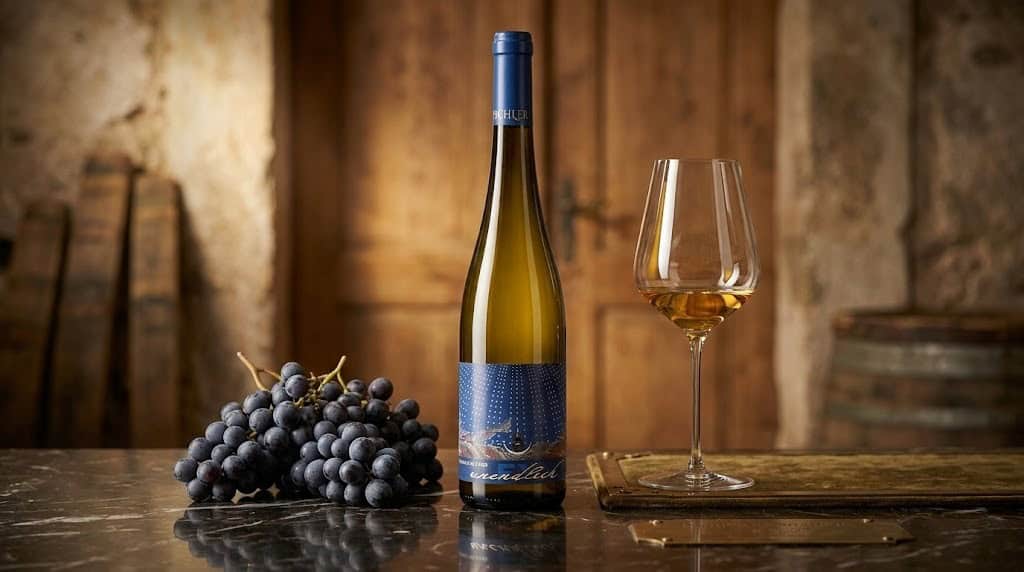
F.X. Pichler
“Unendlich” Smaragd
Why It Stands Out
- The pinnacle of Wachau craftsmanship.
- Sourced from the most prestigious terraces of the Kellerberg.
- Notes of tropical fruit, saffron, and deep slate minerality.
- For any serious portfolio of European white wines.
A monument of Austrian viticulture that commands the highest hammer prices at international auctions.
Price Range: –
Cellar Essential
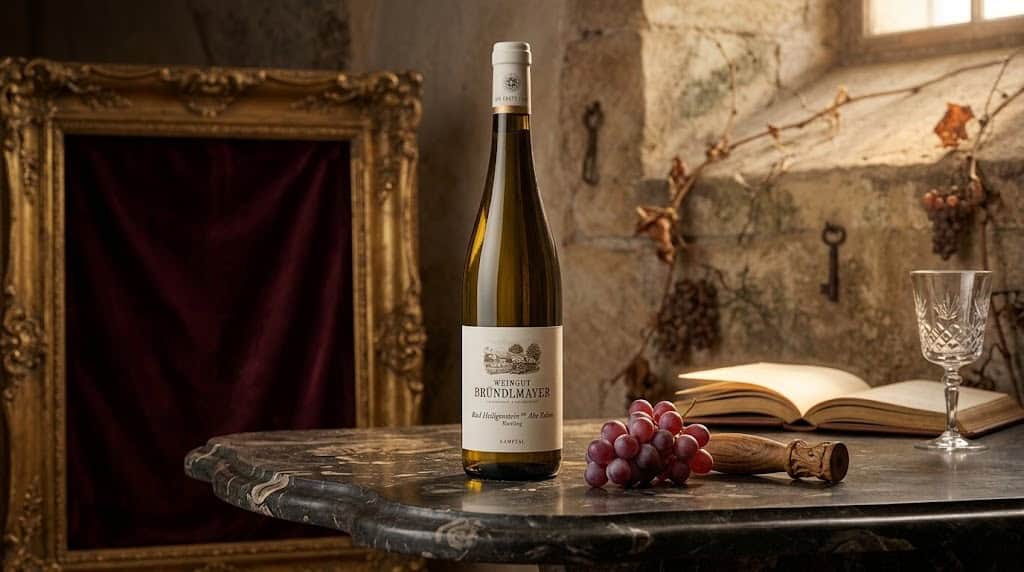
Bründlmayer Riesling
Heiligenstein “Alte Reben”
Why It Stands Out
- Grown on 270-million-year-old desert sandstone.
- Unparalleled depth and oily texture.
- Smoky, flinty aromatics paired with crystalline acidity.
- Highly limited production that disappears quickly from the market.
The definitive expression of Kamptal terroir, offering a sophisticated alternative to Grand Cru Burgundy for white wine connoisseurs.
Price Range: –
Pairing and Lifestyle
These wines demand dishes that reflect their refinement:
- Wachau Smaragd pairs beautifully with seared scallops, foie gras, or aged cheeses.
- Kamptal Riesling excels with delicate white fish, truffle-infused risotto, or roasted root vegetables.
Hosting a tasting with these bottles signals not only taste but sophistication—a true testament to refined lifestyle and investment acumen.
Choosing Between the Titans
- Wachau: Bold, opulent, immediately impressive, and exceptionally collectible. Ideal for those seeking a statement wine that commands attention and grows in value over decades.
- Kamptal: Subtle, structured, and precise, offering refinement and long-term investment potential for connoisseurs who prize elegance over immediacy.
Ultimately, the “battle of the terraces” is less about choosing one over the other and more about curating a cellar that balances power, precision, and enduring value.
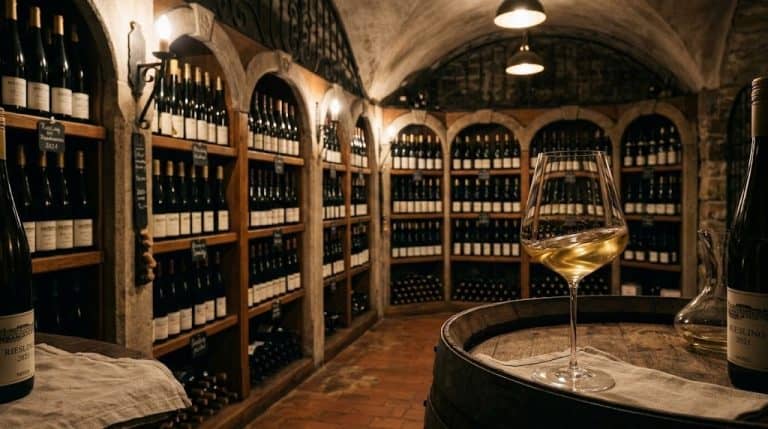
Whether poured into a Zalto glass at a private tasting or stored in a climate-controlled cellar, these wines embody the pinnacle of Austrian craftsmanship—a harmonious marriage of heritage, terroir, and exclusivity.