The Volcanic Soils of Vulkanland Steiermark
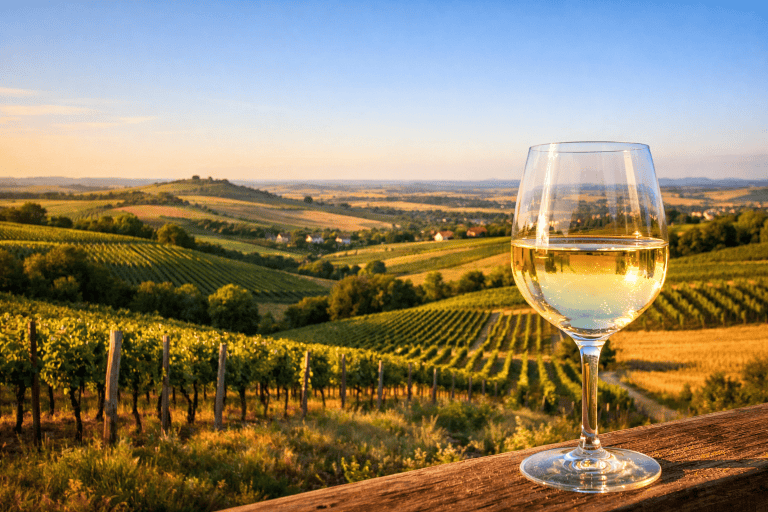
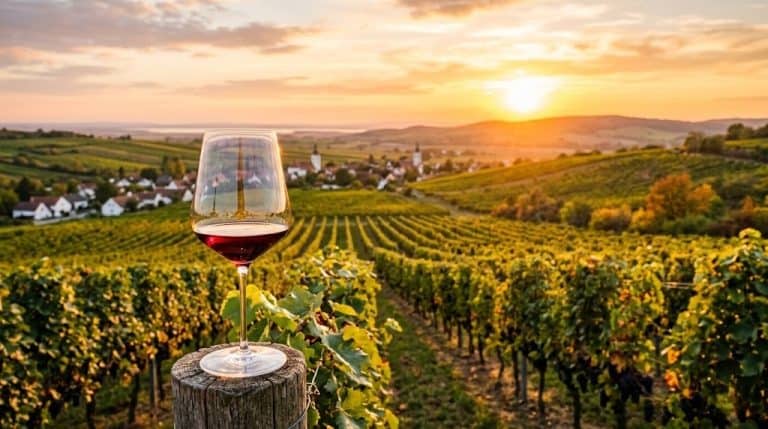
In the world of fine wine, few regions embody the intersection of geology, artistry, and exclusivity like Vulkanland Steiermark in Austria. Nestled in the southeastern corner of Styria, this volcanic landscape is not just a destination—it is an investment in taste, terroir, and the meticulous craftsmanship of winemakers whose vision transcends the ordinary.
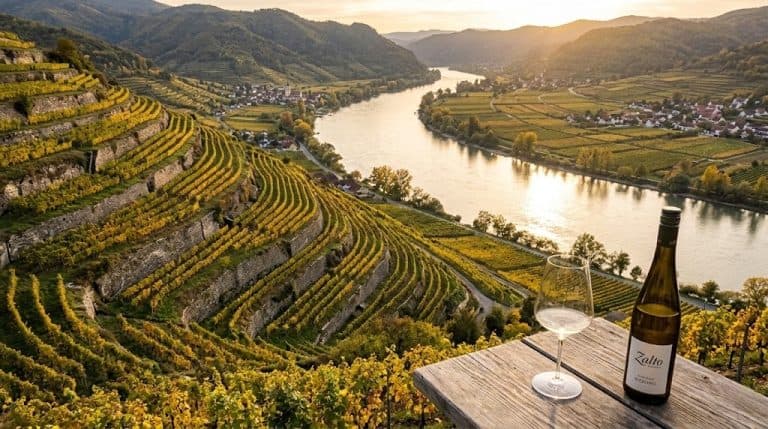
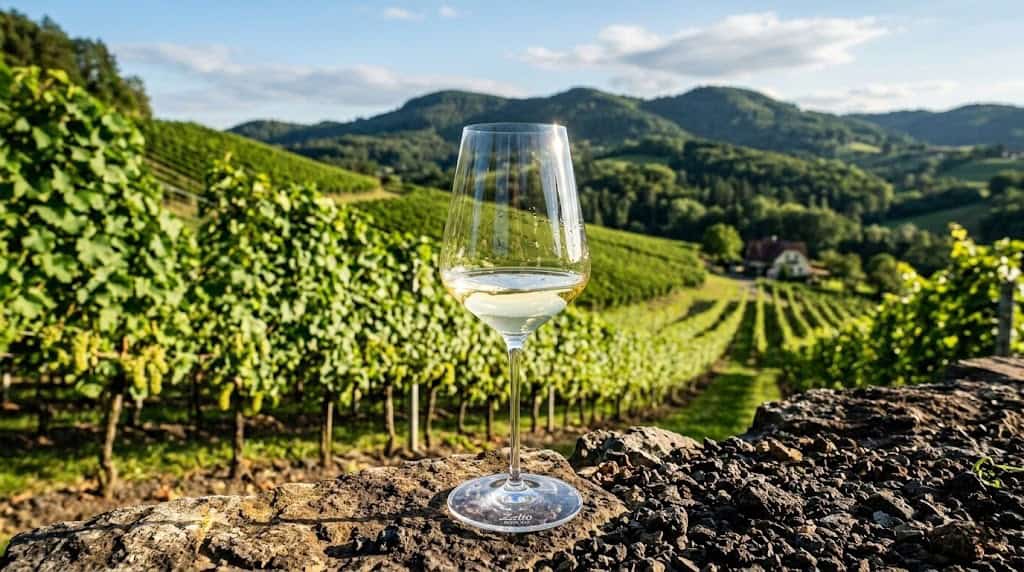
The wines of Vulkanland are distinguished by their profound mineral intensity, an almost palpable “salinity,” and a structural elegance that has captivated Michelin-starred chefs and sophisticated collectors alike. With the right glassware, particularly the refined forms of Zalto glassware, these wines reveal their full aromatic spectrum, making each tasting an immersive experience in both flavor and provenance.
Geology at the Heart of Vulkanland
Vulkanland Steiermark owes its singularity to a complex volcanic past. The region’s soils are a mosaic of basalt, gneiss, and sedimentary rock, enriched by centuries of mineral deposition. This geologic diversity is not merely academic—it directly informs the wines’ character.
“Vulkanland’s terroir gives each wine a tension and energy that is almost electric,” notes Dr. Klaus Pratsch, a leading Austrian viticulturist. “You taste the earth in every sip, the minerals articulating a narrative of centuries in a single glass.”
These mineral-rich soils produce grapes that are naturally concentrated and express a saline minerality rarely found in other European vineyards. The result is a style of wine that is not only sought after by discerning sommeliers but also considered an asset by collectors looking for long-term value.
The Grapes That Thrive on Fire and Stone
Vulkanland’s vineyards are dominated by varieties that excel in this challenging terrain. Chief among them are Sauvignon Blanc, Morillon (Chardonnay), and Gelber Muskateller.
- Sauvignon Blanc from Vulkanland is revered for its sculpted acidity and pronounced minerality—a wine that can stand alongside the finest from Sancerre yet retains a unique Austrian identity.
- Morillon showcases a creamy texture and vibrant minerality, perfect for pairing with nuanced cuisine.
- Gelber Muskateller offers an aromatic intensity, displaying floral and stone-fruit notes lifted by volcanic energy.
What differentiates these wines is their longevity. Unlike more commercial varietals, Vulkanland’s offerings evolve gracefully over decades, rewarding collectors with layers of complexity that develop only through careful cellaring.
Chef’s Secret: The Salinity Factor
High-end chefs around the world have discovered a common thread in Vulkanland wines: their extraordinary salinity and tension. This minerality makes them ideal partners for premium seafood, delicate shellfish, and haute cuisine vegetable dishes.
“Salinity in wine is the new luxury,” says Christian Bau, a three-Michelin-starred chef. “Vulkanland wines elevate dishes without overpowering them. They articulate the ingredients rather than mask them, and that is rare in a global wine market.”
Indeed, the subtle saline notes function like seasoning, enhancing flavor while preserving the wine’s inherent balance. For sommeliers, these wines represent an opportunity to create memorable, signature pairings that reinforce a restaurant’s identity.
Craftsmanship and Investment
Vulkanland wines are not merely beverages; they are artisanal expressions of terroir. Many vineyards operate at a boutique scale, producing limited quantities and emphasizing hand-harvested grapes and meticulous vinification. This approach ensures that each bottle is a true reflection of the land and vintage.
Collectors recognize this scarcity as a value proposition. Wines from Vulkanland often appreciate over time, particularly vintages with exceptional minerality and balance. Auction houses and private wine brokers increasingly highlight these bottles as investment-grade wines, alongside iconic estates from Burgundy or the Mosel.
Investing in Vulkanland is not just about potential appreciation. It is about owning a piece of a storied, volcanic landscape where heritage, science, and artistry converge.
Sustainability and the Modern Vineyard
Vulkanland vintners are committed not only to tradition but also to sustainability. Vineyards are maintained without synthetic inputs, relying on cover crops, natural compost, and minimal intervention. This philosophy preserves both the integrity of the soil and the clarity of the wine’s expression.
The interplay of volcanic rock, careful viticulture, and minimal interference produces wines that are transparent reflections of terroir—a rare quality in a global market dominated by industrialized viticulture. For high-income consumers, this emphasis on provenance is as much a mark of prestige as the wine itself.
Collector’s Top Picks
Limited Production
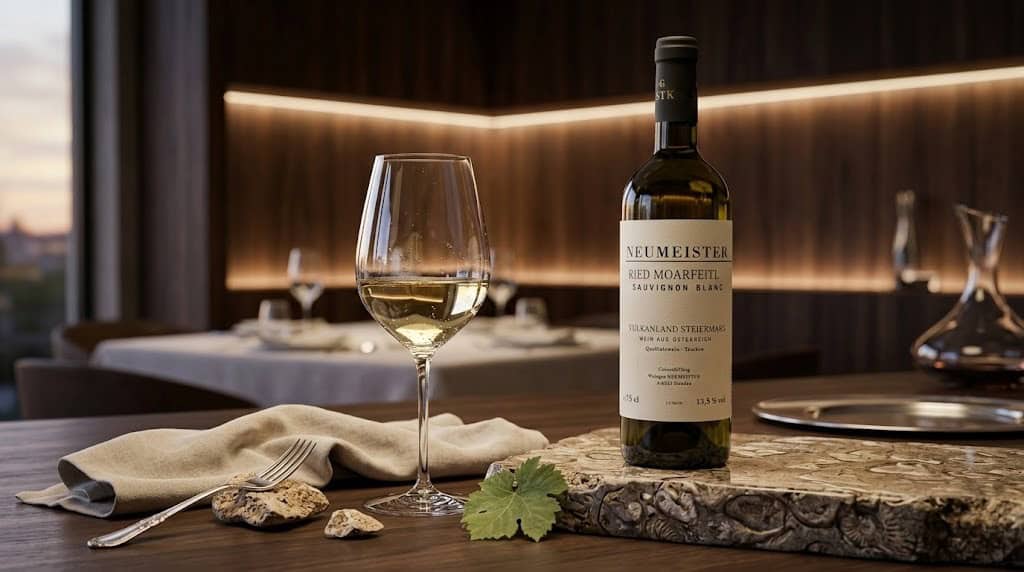
Neumeister Ried Moarfeitl
Sauvignon Blanc GSTK
Why It Stands Out
- Consistently ranks among Austria’s highest-scoring Sauvignon Blancs.
- Harvested from 35-year-old vines on the basaltic slopes of Straden.
- Spontaneous fermentation in large neutral oak for 18–24 months.
- Notes of smoky flint, salt-preserved lemon, and wild herbs.
For collectors seeking the “electric” tension of volcanic soils, comparable to the finest Grand Cru Chablis or Sancerre.
Price Range: –
Best Seller
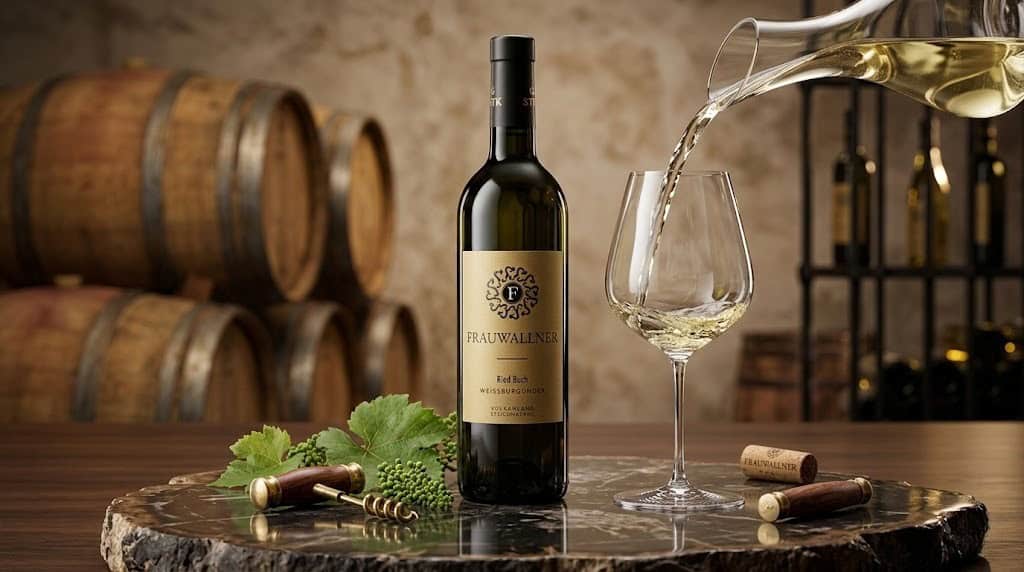
Frauwallner Ried Buch
Sauvignon Blanc GSTK
Why It Stands Out
- A winner of “World’s Best Sauvignon Blanc” competitions.
- Ried Buch is a steep, south-facing amphitheater with high-density planting.
- Exhibits a rare combination of power and crystalline elegance.
- Notes of wet stone, elderflower, cassis, and a distinctive “smoky” finish.
This wine represents the absolute peak of the Vulkanland Steiermark DAC classification.
Price Range: –
Expert Perspectives: The Allure of Vulkanland
“Vulkanland wines are a synthesis of geology, climate, and human artistry. They reward patience and discernment,” remarks Helena Stöger, a sommelier specializing in Austrian wines.
“Collecting these wines is not just about prestige. It is about engaging with a living landscape. Each bottle tells the story of volcanic soil, sun, and wind—an investment in both taste and heritage.”
These insights underscore the multi-dimensional appeal of Vulkanland: it is not simply a wine region but a canvas on which nature and human expertise converge.
More Than Wine, an Experience
Vulkanland Steiermark stands as one of Europe’s most refined, exclusive wine regions. From the minerally “salty” notes that enchant chefs to the limited production bottles coveted by collectors, this corner of Austria represents the pinnacle of terroir-driven craftsmanship.
For the discerning wine enthusiast, Vulkanland is not about quantity; it is about quality, rarity, and the tactile connection to a volcanic past. Served in Zalto glassware, these wines transcend mere consumption—they become an investment in artistry, sophistication, and a narrative as rich as the soil itself.