How to allocate a cellar across regions for a balanced portfolio
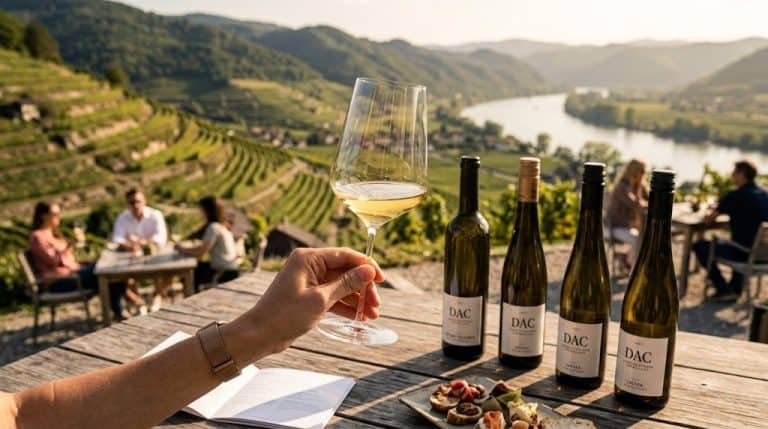
For the sophisticated oenophile, a well-curated wine cellar is not merely storage—it is an expression of taste, a living portfolio, and a tangible investment in heritage craftsmanship. Austria’s vineyards offer unparalleled diversity, from the steep terraces of the Wachau to the elegant Rieslings of Kamptal and the bold reds of Burgenland. This guide offers a precise 50-bottle blueprint to structure a cellar that balances terroir, vintage, and long-term value.
Why Austrian Wines Are the Ultimate Collector’s Choice
Austrian wines are celebrated for their precision, purity, and longevity. Unlike mass-market offerings, these wines are crafted with meticulous attention to detail: hand-harvested grapes, extended lees aging, and minimal intervention in the cellar.
“Austrian wines are among the world’s most underrated treasures. Collecting them is akin to investing in an artist’s complete oeuvre—you appreciate the subtlety, but the value often compounds over decades.” – Dr. Lukas Bauer, Sommelier and Wine Consultant, Vienna
Investing in Austrian wines offers a dual reward: immediate sensory delight and long-term portfolio appreciation. When combined with world-class glassware, such as the elegantly tapered Zalto glassware, each tasting becomes an immersive experience that highlights the wine’s structure, aroma, and aging potential.
The 50-Bottle Blueprint: Allocating by Region
A balanced Austrian cellar thrives on thoughtful regional representation. Below is a high-income collector’s approach to allocating 50 bottles.
1. Wachau: Steep Terroirs, Monumental Whites
Allocation: 20 bottles (40% of cellar)
Wachau is synonymous with Riesling and Grüner Veltliner of extraordinary clarity and aging potential. Steep terraces and limited yields produce wines that are both rare and collectible.
Top Picks:
- Grüner Veltliner Smaragd, F.X. Pichler – renowned for its minerality and depth
- Riesling Achleiten, Schloss Gobelsburg – a benchmark for elegance and longevity
Investment Insight:
Terroir-specific Wachau wines, especially from Smaragd sites, often appreciate faster than generic white Burgundy due to scarcity and collector demand.
Tasting Tip:
Serve in Zalto Universal Glasses, which accentuate the wine’s aromatic complexity and mineral backbone.
2. Kamptal: Precision and Purity
Allocation: 15 bottles (30% of cellar)
Kamptal’s wines are characterized by their crisp acidity, vibrant fruit, and remarkable precision. Grüner Veltliner and Riesling dominate, often with a steely minerality that rewards patient cellaring.
Essential Bottles:
- Grüner Veltliner Heiligenstein, Schloss Gobelsburg
- Riesling Terrassen, Nikolaihof
Collector Insight:
Kamptal wines age beautifully, with top-tier bottles evolving over 15–25 years. Their elegance complements the more opulent Wachau Smaragds, creating a dynamic tasting journey.
“Kamptal wines are like perfectly tailored suits—they fit the palate with exactitude, and their refinement only deepens with time.” – Sophie Reinisch, Wine Writer, Vienna
3. Burgenland: Bold Reds and Sweet Treasures
Allocation: 15 bottles (30% of cellar)
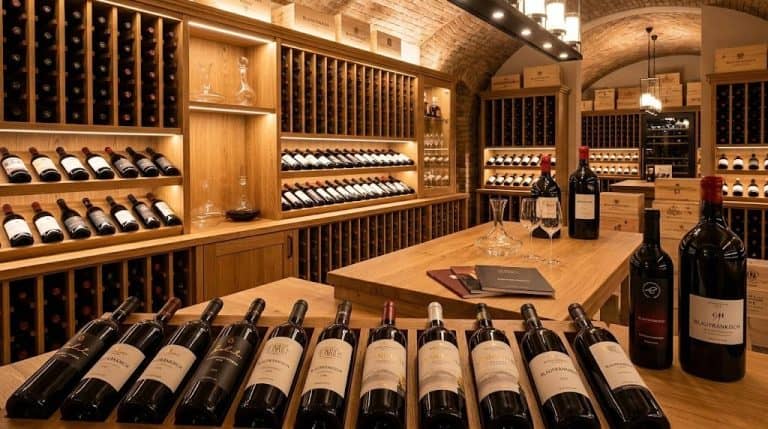
Burgenland is Austria’s premier region for red wine, producing Blaufränkisch, Zweigelt, and the internationally coveted Süßwein from noble rot grapes. This region brings contrast and depth to the cellar, with wines that can rival Bordeaux in both structure and investment potential.
Collector’s Selection:
- Blaufränkisch Ried Hochäcker, Moric
- Süßwein Ausbruch, Ruster Ausbruch
Investment Insight:
Limited-production Burgenland reds and sweet wines are coveted by international collectors. Rare vintages often sell out before release and increase in value steadily over a decade.
Structuring the Cellar: Vintage Strategy and Storage
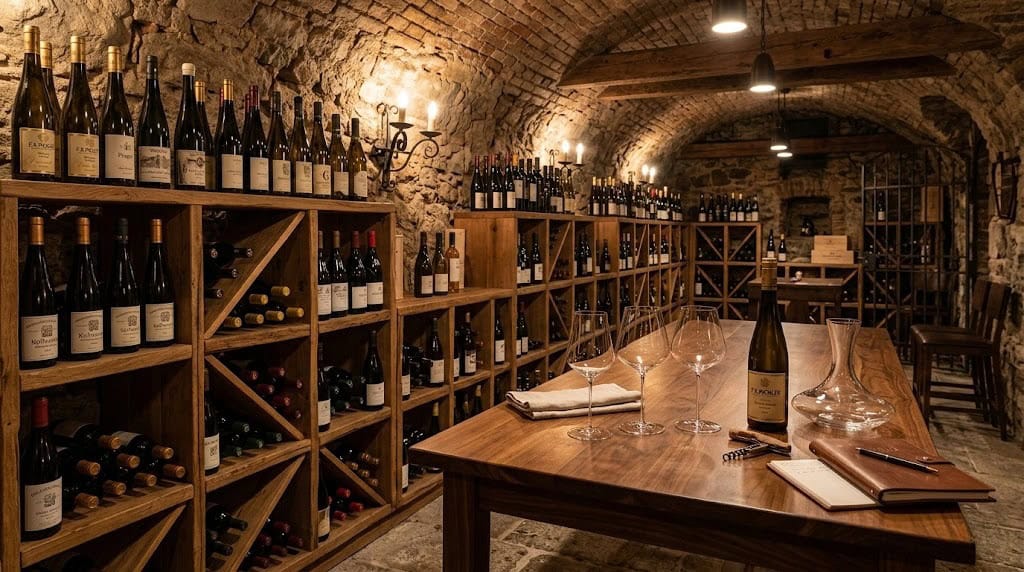
A luxury wine cellar requires more than acquisition—it demands intelligent organization. Here’s a strategy for optimal vintage distribution:
| Region | % of Cellar | Vintage Focus | Aging Potential |
|---|---|---|---|
| Wachau | 40% | 2016–2022 | 10–25 years |
| Kamptal | 30% | 2015–2021 | 8–20 years |
| Burgenland | 30% | 2010–2020 | 15–30 years |
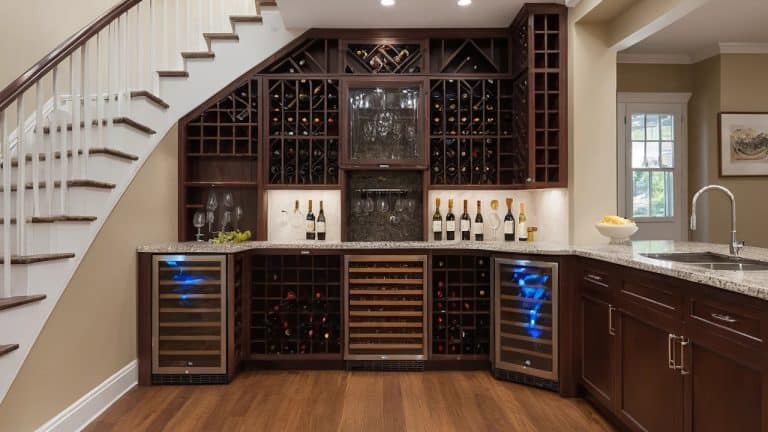
Storage Tips for High-End Collections:
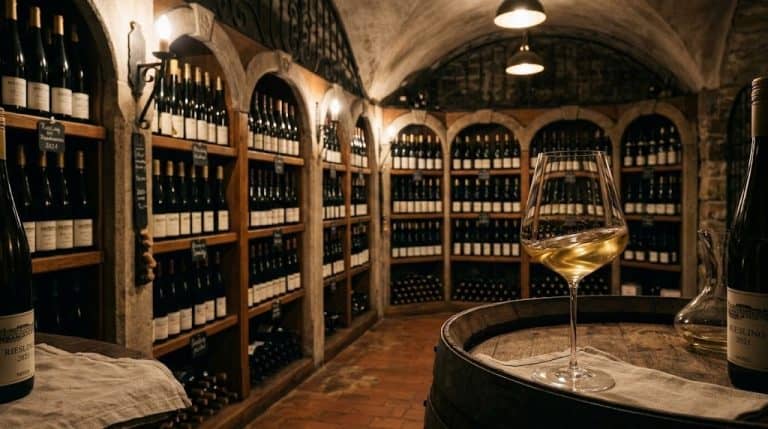
- Maintain 55–58°F (12–14°C) with 70% humidity
- Use natural oak racks or modular steel for stability and vibration reduction
- Store bottles horizontally for cork integrity
- Label each bottle with vintage, vineyard, and purchase source for provenance verification
The Role of Glassware: Elevating Every Pour
No Austrian cellar is complete without Zalto glassware. Crafted in Austria, Zalto glasses are hand-blown to exacting standards, offering crystal clarity and an elegant taper that directs aromas perfectly to the nose.
Why Zalto Matters for Collectors:
- Enhances nuanced Grüner Veltliner minerality
- Brings out Riesling’s citrus and floral layers
- Accentuates Burgenland reds’ structure without overwhelming the palate
“A top-tier Austrian wine in a Zalto glass is transformative—the wine speaks in ways it simply cannot in ordinary stemware.” – Hans Richter, Master Sommelier
Collector’s Top Picks
Best Seller
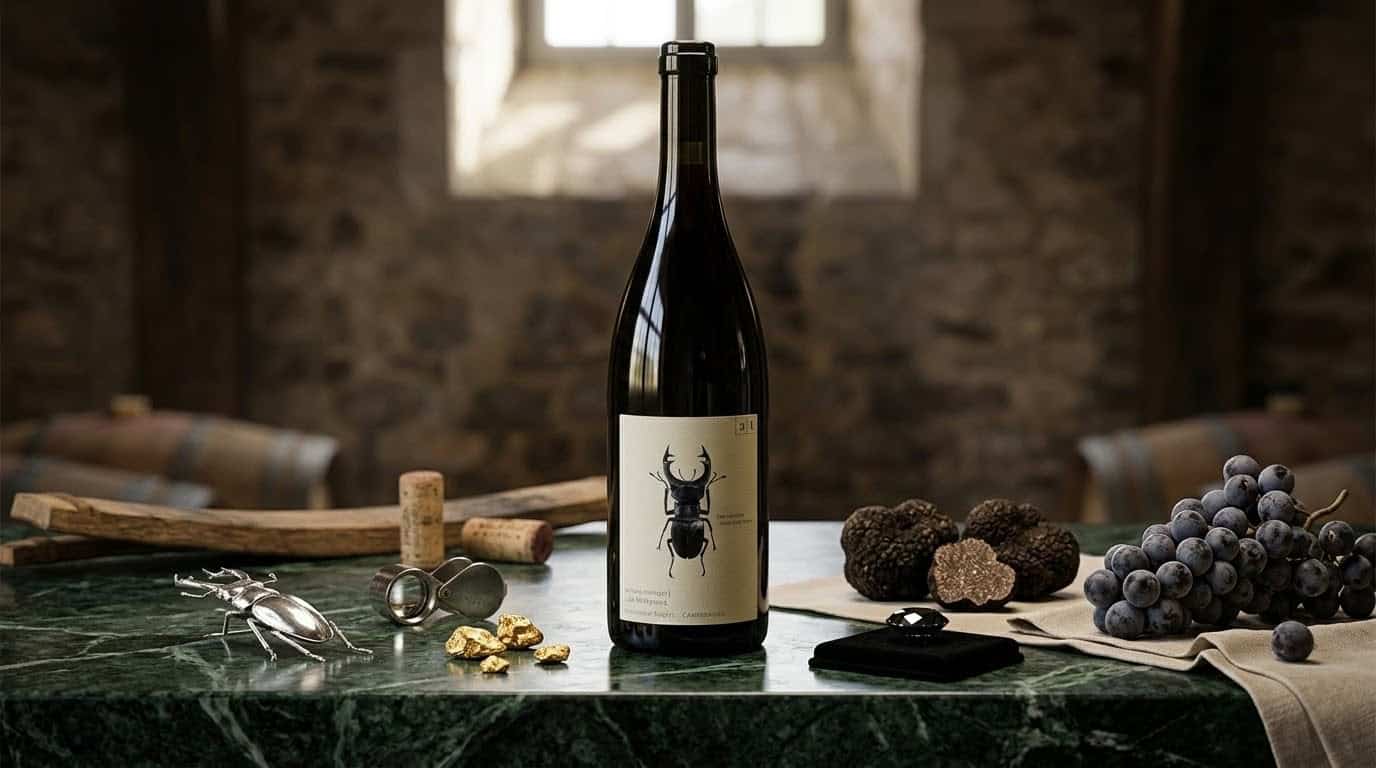
Andreas Tscheppe
Hirschkäfer
Why It Stands Out
- A member of the elite “Schmecke das Leben”.
- The “Hirschkäfer” is his flagship skin-contact white.
- Zero filtration and zero sulfur, yet possesses an incredibly clean focus.
- Offers layers of smoky herbs, pine resin, and dense citrus oil.
For the collector who has already mastered the Wachau and is ready for the high-altitude intensity of the Styrian hills.
Price Range: –
Best Seller
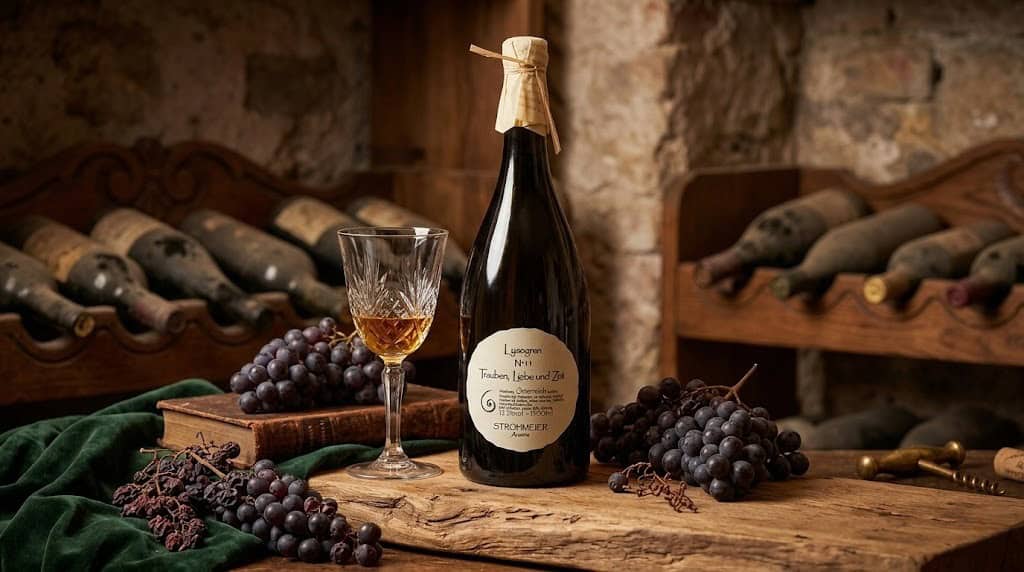
Franz Strohmeier
Sonne (TLZ)
Why It Stands Out
- The most radical and respected natural winemaker in Austria.
- The “Sonne” cuvée is part of the “Trauben, Liebe und Zeit” line.
- Minimalist, reflecting a “nothing added” philosophy.
- Notes of elderflower, dried apricot, and warm earth.
A philosophical cornerstone for any collection, representing the absolute pinnacle of the low-intervention movement.
Price Range: –
A Cellar That’s Both Pleasure and Portfolio
A 50-bottle Austrian cellar is more than an indulgence—it is a statement of taste, a reflection of investment acumen, and a gateway to decades of exceptional tasting experiences. By carefully allocating bottles across Wachau, Kamptal, and Burgenland, pairing them with Zalto glassware, and focusing on quality over quantity, collectors can create a cellar that is as exclusive as it is rewarding.
Whether savoring a Grüner Veltliner Smaragd or a rare Burgenland Süßwein, the ultimate Austrian cellar combines artistry, precision, and enduring value—an investment in both the palate and legacy.