
Understanding the DAC System: A Collector’s Cheat Sheet
In the rarified world of fine wine, Austria’s Districtus Austriae Controllatus (DAC) system represents a hallmark of quality, authenticity, and terroir. For the discerning collector, mastering the DAC is not merely an exercise in labels—it’s an exploration into craftsmanship, legacy, and investment-grade vintages. Think of it as Austria’s answer to France’s Grand Cru: a carefully regulated guarantee that a wine’s origin, style, and quality meet the highest standards.
In this guide, we simplify the DAC system, providing collectors with the essential insights to identify bottles that are as sophisticated as they are rare. Along the way, we’ll touch on the value of pairing these wines with the unmatched elegance of Zalto glassware, designed to enhance both aroma and investment-worthy presentation.
What is the DAC System?
The DAC system was created to standardize Austria’s wine appellations, ensuring that each bottle labeled with a DAC designation meets strict geographic and stylistic criteria. Unlike broader classifications, DAC wines reflect a precise terroir and grape variety, making them a reliable guide for collectors seeking exclusivity.
DAC translates to “Districtus Austriae Controllatus,” meaning a controlled district in Austria. Each DAC region emphasizes specific grape varieties, vinification techniques, and stylistic norms. For collectors, this system represents predictability in quality and the assurance that a wine embodies the quintessential expression of its region.
DAC vs. Grand Cru: Why Collectors Care
For collectors accustomed to France’s Grand Cru designations, DAC wines offer a similar reassurance of excellence. While Austria does not yet have the centuries-old legacy of Burgundy, DAC regions such as Kamptal, Kremstal, and Wachau produce wines of remarkable depth, age-worthiness, and scarcity.
“DAC wines are Austria’s hidden gems. For collectors, they represent a rare opportunity to secure both immediate enjoyment and long-term appreciation.” – Dr. Helene Fischer, Master Sommelier, Vienna
Key DAC Regions and Their Signature Grapes
Understanding DAC regions is crucial for the collector seeking investment-grade bottles. Here’s a curated overview:
- Wachau DAC: Known for Grüner Veltliner and Riesling, Wachau DAC wines exhibit a combination of minerality and structure, often with decades-long aging potential.
- Kamptal DAC: Produces elegant Grüner Veltliner with a signature balance of crisp acidity and layered texture, perfect for sophisticated collectors.
- Kremstal DAC: Recognized for wines of finesse and aromatic precision, Kremstal’s Grüner Veltliners are sought after by connoisseurs worldwide.
- Mittelburgenland DAC: Red wine territory featuring Blaufränkisch, known for deep color, structured tannins, and long aging capability.
The Collector’s Advantage: Rarity and Terroir
Unlike mass-market wines, DAC wines are produced in limited quantities, reflecting the constraints of the terroir and the meticulous standards of winemaking. For collectors, this scarcity enhances both exclusivity and potential investment value.
Pairing DAC wines with Zalto Denk’Art glassware elevates both tasting and presentation. Hand-blown and designed with precise geometry, Zalto glasses enhance aromatics and reflect the refinement that DAC wines embody—an essential consideration for collectors and connoisseurs alike.
How to Evaluate a DAC Bottle
A high-level collector evaluates DAC wines beyond the label. Key indicators include:
- Vintage: Seek vintages that show both character and aging potential. Some Wachau DAC Rieslings reach their zenith 15–20 years post-harvest.
- Producer Reputation: Winemakers such as F.X. Pichler and Prager have earned international acclaim for their DAC expressions.
- Regional Signature: Ensure the wine aligns with the stylistic norms of its DAC. A Grüner Veltliner from Kamptal should showcase minerality and peppered spice notes.
- Investment Potential: Limited production, critical acclaim, and longevity are crucial factors for collectible bottles.
Collector’s Top Picks
Best Seller
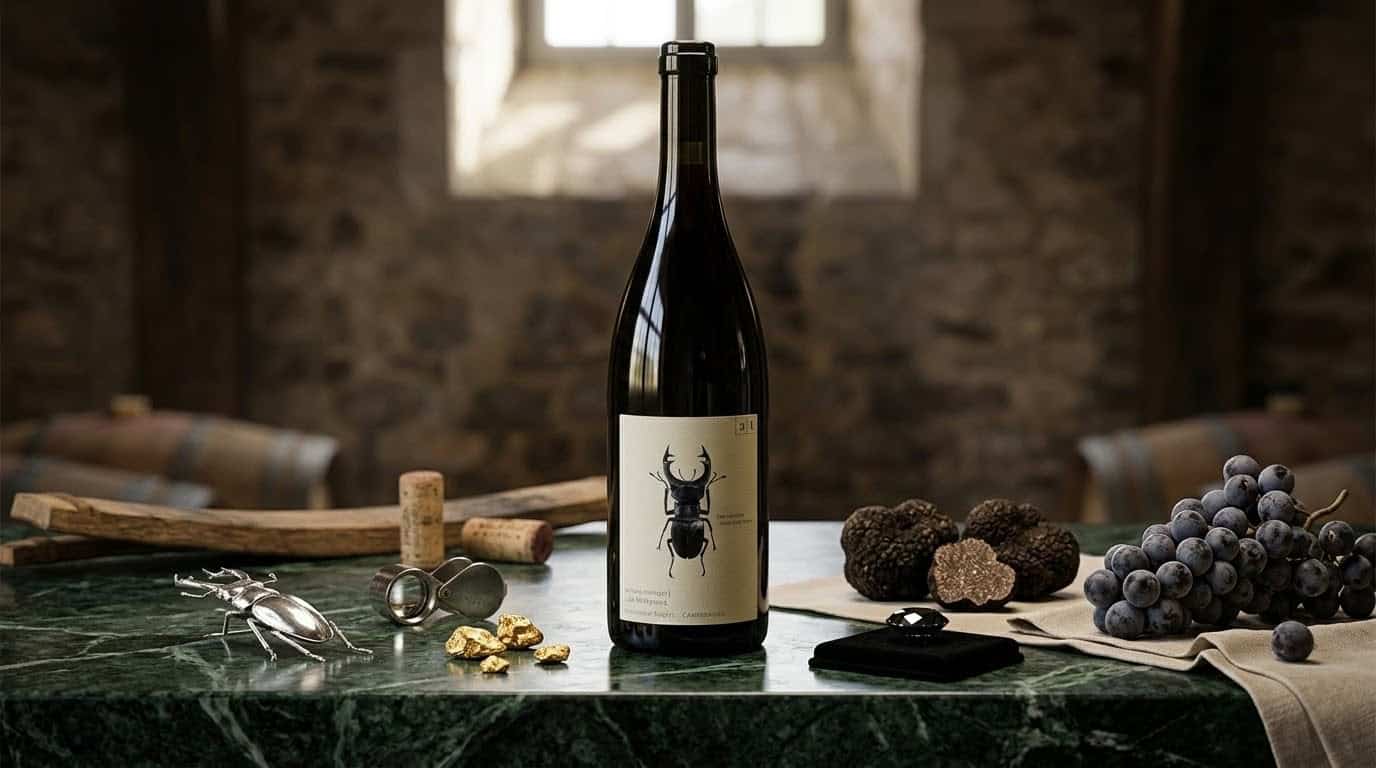
Andreas Tscheppe
Hirschkäfer
Why It Stands Out
- A member of the elite “Schmecke das Leben”.
- The “Hirschkäfer” is his flagship skin-contact white.
- Zero filtration and zero sulfur, yet possesses an incredibly clean focus.
- Offers layers of smoky herbs, pine resin, and dense citrus oil.
For the collector who has already mastered the Wachau and is ready for the high-altitude intensity of the Styrian hills.
Price Range: –
Best Seller

Franz Strohmeier
“Wein der Stille”
Why It Stands Out
- A cult classic that defines the “Wine of Stillness” philosophy.
- Unfined, unfiltered, and released only when Franz deems it ready.
- Vibrant, living energy that evolves beautifully in the glass.
- Notes of wet stone, elderflower, white tea, and crisp pear.
Considered one of the most intellectually stimulating wines in the world, this is a “meditation wine” for the serious connoisseur.
Price Range: –
Tip: Serve in a Zalto Universal glass to experience the full aromatic range.
Investment Value of DAC Wines
DAC wines are not only luxurious indulgences—they are tangible assets. The combination of limited production, critically acclaimed vintages, and global recognition positions them favorably for long-term appreciation. Collectors should note:
- Scarcity drives value: DAC wines are produced in regionally controlled quantities.
- Provenance matters: Bottles with complete origin documentation and cellar-worthy conditions maintain premium pricing.
- Auction performance: DAC wines, especially from Wachau and Kamptal, have seen year-on-year increases in secondary market demand.
“High-quality DAC bottles are increasingly sought by international collectors. A carefully curated Austrian wine cellar is a statement of both taste and investment acumen.” – Maximilian Bauer, Wine Investment Consultant
Pairing DAC Wines with Glassware
Zalto glasses are revered among sommeliers and collectors alike for their ability to showcase the nuances of Austria’s finest wines. Their ultra-thin rims, delicate curves, and precise volume proportions make them ideal for both Grüner Veltliner and Riesling. Using Zalto is not just about aesthetics—it’s about honoring the craftsmanship of the wine and enhancing the tasting experience.
- Zalto Denk’Art Universal: Perfect for multi-grape tastings, highlighting aromatics.
- Zalto Burgundy: Best for richer DAC reds such as Blaufränkisch.
Tips for DAC Collectors
- Secure from reputable sources: Only purchase from established retailers or directly from wineries.
- Invest in storage: Temperature- and humidity-controlled cellars preserve quality and investment value.
- Focus on top-tier producers: Not all DAC wines are created equal; choose wines from winemakers with proven pedigree.
- Consider aging potential: Many DAC wines improve over 10–20 years, rewarding patience and foresight.
Mastering the DAC System
For high-net-worth collectors, the DAC system is more than a regulatory classification—it’s an opportunity to acquire wines that embody Austria’s most refined terroirs, crafted by winemakers whose dedication rivals the world’s most revered estates. From the mineral-driven Grüner Veltliners of Wachau to the structured Blaufränkisch of Mittelburgenland, DAC wines offer a blend of sophistication, exclusivity, and long-term value.
Pairing these wines with Zalto glassware completes the experience, elevating each sip into a ritual of precision and refinement. By understanding the DAC system, collectors gain the knowledge to secure bottles that are as rare as they are rewarding—a true investment in taste, craftsmanship, and prestige.