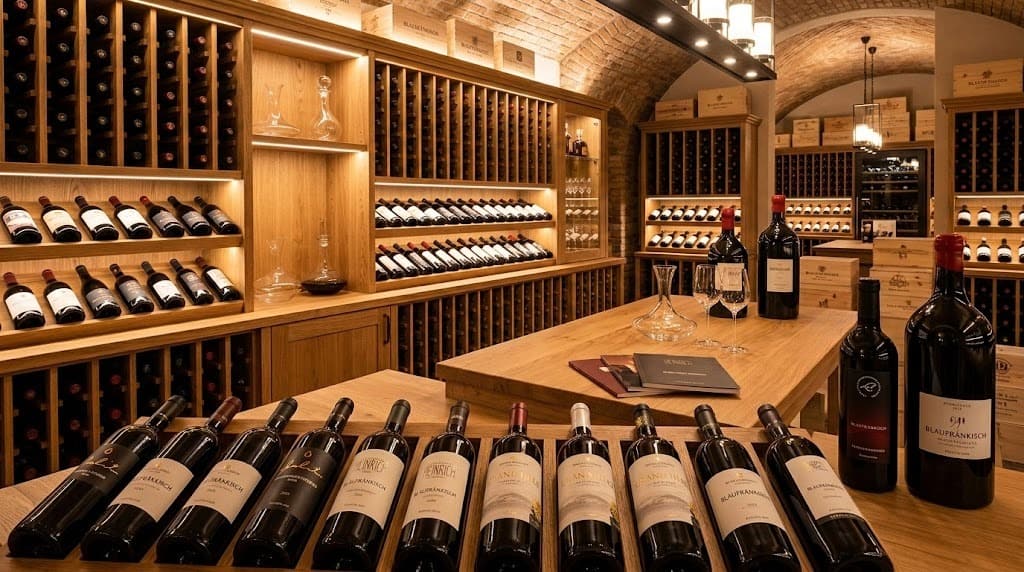
The Collector’s Case: 12 Investment-Grade Austrian Reds
For decades, Austria’s reputation has been built largely on its pristine whites. Yet among serious collectors and portfolio-minded wine buyers, another story has quietly unfolded. A new generation of Austrian red wines—led by Blaufränkisch—has emerged as one of the most compelling long-term cellar investments in Europe.
Structured, mineral-driven, and capable of aging gracefully for two to three decades, the finest Austrian reds are now appearing in the cellars of collectors who once focused solely on Bordeaux, Burgundy, or Piedmont.
What makes them particularly attractive today is the investment asymmetry: many of these wines remain significantly undervalued relative to their pedigree, terroir, and aging trajectory.
The following guide highlights 12 investment-grade Austrian reds, selected for their proven longevity, rising global demand, and exceptional craftsmanship.
Why Austrian Reds Are Emerging as Collector Assets
Before exploring the wines themselves, it’s worth understanding why serious collectors are beginning to allocate cellar space—and capital—to Austrian reds.
Blaufränkisch Is a Terroir-Expressive Powerhouse
Blaufränkisch thrives in Burgenland’s limestone, slate, and schist soils, producing wines that combine:
- Dark fruit intensity
- Mineral precision
- Structured tannins
- Remarkable acidity
These structural elements create extraordinary aging potential, often rivaling top-tier Bordeaux or Northern Rhône wines.
Limited Production Drives Scarcity
Many of Austria’s most respected producers operate on a small, artisanal scale, with production volumes far below those of major global regions.
Scarcity, combined with increasing international recognition, creates natural price pressure over time.
Global Fine Wine Buyers Are Paying Attention
Auction houses and fine wine merchants have begun highlighting Austrian reds in recent years. As demand grows among sommeliers, collectors, and Michelin-starred restaurants, secondary market prices are beginning to respond.
Collector’s Top Picks
Best Seller
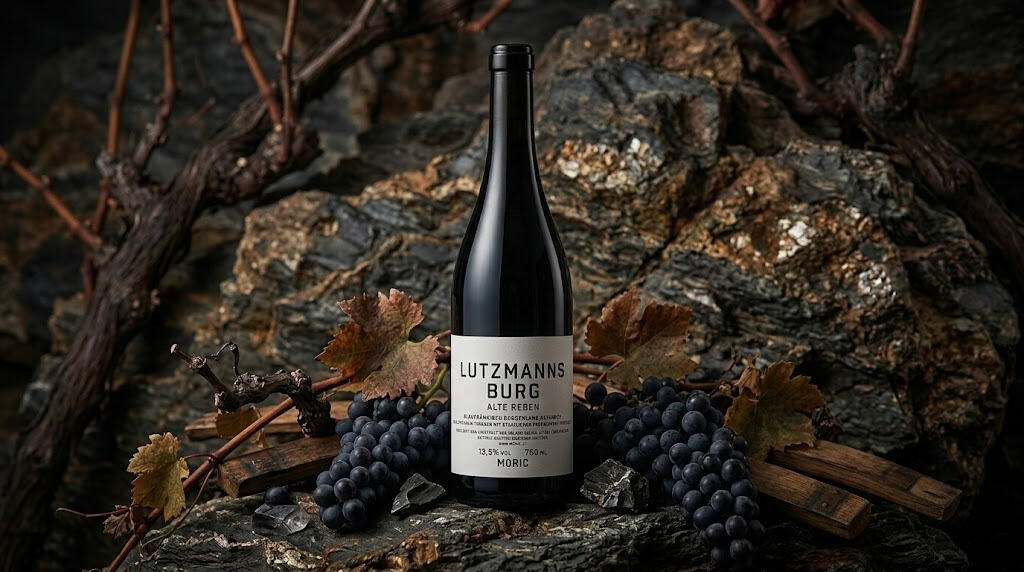
Moric Blaufränkisch
Lutzmannsburg Alte Reben
Why It Stands Out
- Created by Roland Velich, the pioneer of “Fine Wine”.
- Incredible depth of flavor derived from ancient, deep-rooted vines.
- Silky, Burgundian texture with immense cellaring potential.
- Notes of wild blueberry, crushed violet, slate, and dark spice.
A cornerstone for any serious cellar, this wine is frequently compared to the greats of the Côte de Nuits for its elegance and longevity.
Price Range: –
Best Seller
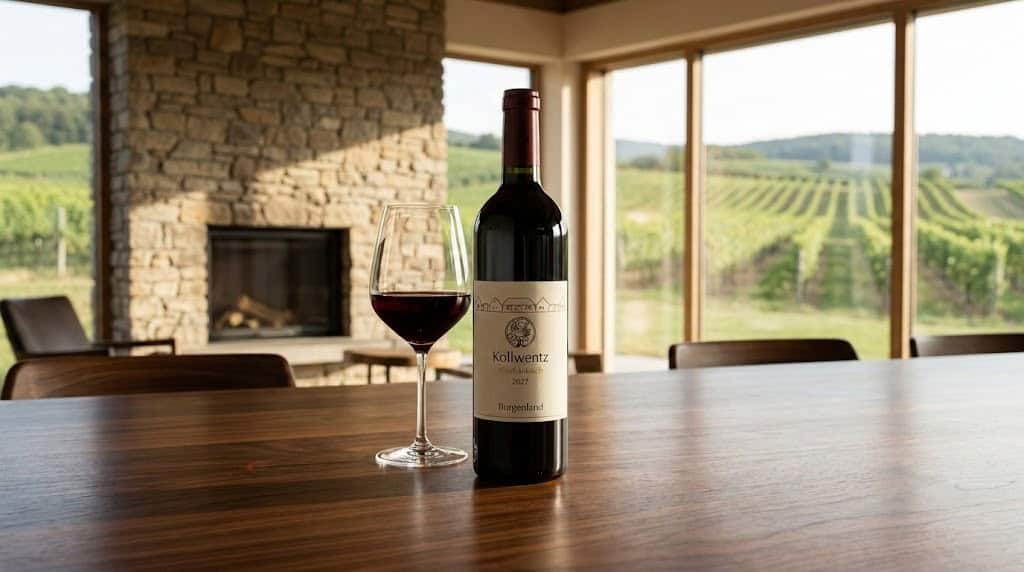
Weingut Kollwentz
Blaufränkisch “Point”
Why It Stands Out
- Meticulous family craftsmanship.
- The vineyard is widely considered a premier site in Burgenland.
- Consistent top performer in international blind tastings.
- Blackberry fruit, iron-rich minerality, and toasted cedar notes.
An essential acquisition for collectors seeking architectural tannins and the sophisticated complexity that only develops after 15+ years in the cellar.
Price Range: –
The 12 Investment-Grade Austrian Reds
1. Moric Blaufränkisch Lutzmannsburg Alte Reben
Roland Velich’s Moric project fundamentally reshaped the perception of Blaufränkisch. His Alte Reben bottling showcases old-vine intensity with Burgundian transparency, delivering a wine that evolves slowly and elegantly.
Collectors prize vintages such as 2015, 2017, and 2019 for their exceptional structure.
Aging Potential: 25–30 years
Collector Insight: Demand continues to grow among Michelin-level sommeliers.
2. Weingut Prieler Blaufränkisch Goldberg
Goldberg is one of Burgenland’s most revered vineyards. The Prieler family produces a Blaufränkisch that is deep, mineral, and architecturally structured.
With time, it develops notes of graphite, black tea, and forest floor, hallmarks of elite aging reds.
Aging Potential: 20–25 years
3. Weingut Kollwentz Blaufränkisch Point
Kollwentz is widely considered Austrian wine royalty, and the Point vineyard produces one of the region’s most cellar-worthy reds.
Expect dense blackberry fruit, smoked spice, and iron-rich minerality.
Aging Potential: 20–30 years
Current Market Price: $70–$110
4. Gesellmann Opus Eximium
A Bordeaux-inspired blend of Blaufränkisch, St. Laurent, and Zweigelt, Opus Eximium has become one of Austria’s most recognizable collector wines.
With extended barrel aging and careful vineyard management, the wine achieves both power and polish.
Aging Potential: 20+ years
5. Weingut Krutzler Blaufränkisch Perwolff
Perwolff sits among the great single vineyards of Südburgenland.
Krutzler’s expression is refined and intensely mineral-driven, with exceptional structural balance.
Aging Potential: 25 years
6. Weingut Heinrich Gabarinza
Heinrich’s biodynamic philosophy yields wines of profound depth and terroir expression.
Gabarinza combines Blaufränkisch with Merlot and Zweigelt, producing a wine that balances New World richness with Old World restraint.
Aging Potential: 20–25 years
7. Umathum Blaufränkisch Kirschgarten
Josef Umathum crafts wines known for purity and precision, and Kirschgarten is one of his most coveted bottlings.
Expect layers of black cherry, crushed herbs, and saline minerality.
Aging Potential: 20+ years
8. Weingut Wachter-Wiesler Blaufränkisch Ratschen
From the Eisenberg region, Ratschen delivers austere structure and exceptional longevity.
It’s a wine built for the patient collector.
Aging Potential: 25 years
9. Triebaumer Blaufränkisch Mariental
Mariental is one of the historic grand sites of Burgenland, producing powerful, age-worthy Blaufränkisch.
Its dense fruit core gradually evolves into complex tertiary aromas.
Aging Potential: 20–30 years
10. Pittnauer Blaufränkisch Rosenberg
Gerhard Pittnauer is known for pushing the boundaries of Austrian red wine.
Rosenberg offers remarkable concentration and structure, particularly in warm vintages.
Aging Potential: 20 years
11. Claus Preisinger Goldberg Blaufränkisch
Minimal intervention meets serious structure in this standout wine.
Preisinger’s Goldberg bottling combines elegance, vibrant acidity, and cellar longevity.
Aging Potential: 20+ years
12. Nittnaus Comondor
A powerful blend anchored by Blaufränkisch and Merlot, Comondor represents the luxury end of Austrian red wine production.
It’s bold, structured, and built for decades of development.
Aging Potential: 25 years
“The best examples age with the complexity of top Bordeaux but retain a distinct mineral precision.”
— Anne Krebiehl MW, wine writer and critic
How Austrian Reds Appreciate in Value
Unlike speculative wine investments, Austrian reds typically appreciate through gradual market recognition.
Drivers of Price Growth
- Critical acclaim from international critics
- Scarcity from small estates
- Restaurant placement in Michelin-star venues
- Increased auction presence
“Blaufränkisch is one of the great underappreciated grapes in the fine wine world.”
— Aldo Sohm, Master Sommelier
As global awareness grows, collectors holding early vintages may see significant upside over the next decade.
Building an Austrian Red Wine Investment Portfolio
For those approaching wine as both passion and asset, diversification within Austrian reds is key.
A Strategic Collector Approach
1. Focus on Top Producers
The estates mentioned above consistently produce the highest-rated wines with the greatest aging potential.
2. Buy Multiple Vintages
Vertical collections often appreciate more than single bottles.
3. Store Professionally
Provenance is critical to resale value. Professional storage ensures:
- stable temperature
- humidity control
- documented ownership history
“Collectors looking for value and longevity should absolutely be buying Austrian reds right now.”
— Stephan Reinhardt, wine critic
Cellaring Austrian Reds: What to Expect Over 20+ Years
Young Blaufränkisch is often vibrant and structured, with dark berry fruit and energetic acidity.
With age, it evolves dramatically.
Flavor Evolution
0–5 Years
- Black cherry
- Blackberry
- Violet
- White pepper
5–15 Years
- Tobacco
- Graphite
- Dried herbs
- Forest floor
15–25 Years
- Truffle
- Leather
- Iron
- Tea leaf complexity
This evolution is one reason collectors compare the finest Blaufränkisch wines to elite Bordeaux and Burgundy.
Austria’s Quiet Red Wine Revolution
While global collectors have historically focused on regions like Bordeaux, Burgundy, and Barolo, Austria’s top red wines are steadily entering the conversation.
Their appeal lies in a rare combination of:
- Terroir precision
- Limited production
- Long aging potential
- Relatively accessible entry pricing
For collectors seeking wines with both intellectual intrigue and long-term appreciation potential, Austrian Blaufränkisch may represent one of the most compelling opportunities in today’s fine wine landscape.
Those who begin building their collections now may find themselves holding bottles that become tomorrow’s cult classics.