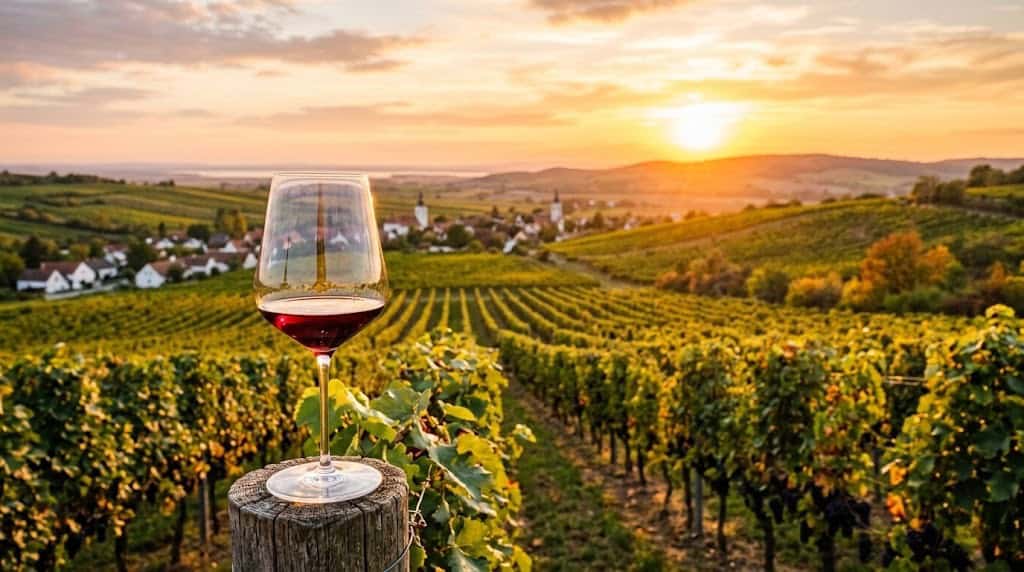
Burgenland: The Spiritual Home of Austrian Reds
In the pantheon of fine wines, few regions can claim the perfect convergence of climate, terroir, and tradition that defines Burgenland, Austria’s premier red wine sanctuary. While Austria is often celebrated for its world-class whites like Grüner Veltliner, it is Burgenland that whispers the promise of Blaufränkisch, a red varietal of profound depth, structure, and investment potential. Here, we explore why this Pannonian jewel has become the spiritual home of Austrian reds, attracting collectors, sommeliers, and high-net-worth wine enthusiasts alike.
The Pannonian Climate: Nature’s Masterclass in Red Wine
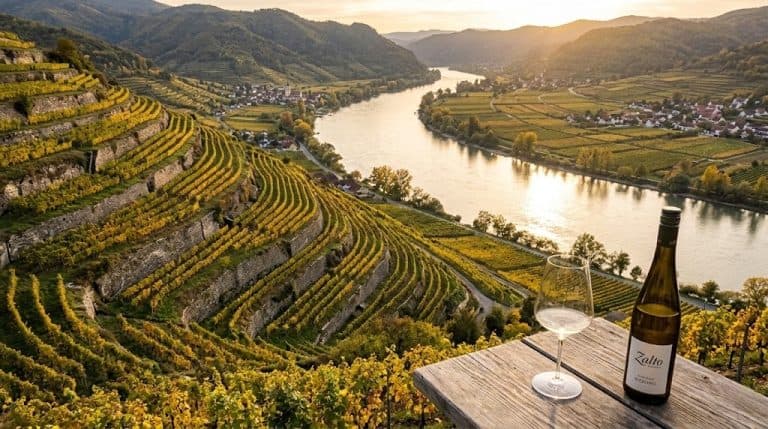
Burgenland’s unique positioning along the eastern edge of Austria exposes it to the Pannonian Plain, a microclimate marked by long, warm summers, crisp autumn nights, and minimal precipitation during the harvest. This combination provides a slow, consistent ripening process essential for producing Blaufränkisch grapes of exceptional character.
- Temperature Regulation: Warm days encourage phenolic development and deep color, while cool nights preserve acidity, a hallmark of premium red wines.
- Soil Diversity: From calcareous loam to iron-rich sediments, Burgenland offers an array of terroirs, each imparting subtle nuances to the wine—from mineral undertones to layers of dark fruit.
- Sunlight Intensity: Extended daylight hours during the growing season enhance sugar accumulation and tannin ripeness, contributing to the wine’s longevity and cellar-worthiness.
“Blaufränkisch thrives in Burgenland not just because of geography, but because of the region’s extraordinary capacity for balance—richness and elegance coexist naturally here,” explains Dr. Stefan Lang, renowned Austrian oenologist.
Blaufränkisch: Austria’s Red Jewel
Often dubbed the “Pinot Noir of the East,” Blaufränkisch is distinguished by its intense aromatic profile, firm tannins, and remarkable aging potential. Its appeal to collectors lies not only in its immediate drinking pleasure but in its capacity to appreciate in value over decades.
- Flavor Profile: Expect a sophisticated interplay of black cherry, cassis, and subtle spice, layered with minerality reflective of Burgenland’s diverse soils.
- Structure & Aging Potential: Medium-plus tannins and balanced acidity allow even entry-level grand cru vineyards to mature gracefully for 10–20 years, while top estates produce bottles that can evolve for over three decades.
- Investment Appeal: Limited production, coupled with growing international recognition, positions Blaufränkisch as a strategic acquisition for collectors seeking both enjoyment and asset diversification.
Craftsmanship and Winemaking Philosophy
Burgenland’s red wines are not merely produced; they are crafted with meticulous attention to detail, blending centuries-old tradition with modern precision.
- Hand-Harvested Grapes: Many estates still hand-select clusters to ensure only perfectly ripe fruit reaches the press.
- Fermentation Techniques: Small, temperature-controlled fermenters, often combined with indigenous yeasts, highlight the vineyard’s unique expression.
- Barrel Aging: Oak selection is exacting—typically fine-grained Hungarian or French barrels—to impart complexity without overshadowing the varietal’s natural elegance.
“Each barrel is a canvas. Our role is to coax the finest expression of terroir without interference,” says Mag. Anna Bauer, Winemaker at a top Burgenland estate.
This philosophy translates to wines that are layered, expressive, and unmistakably Burgenland, resonating with connoisseurs who value heritage, precision, and subtlety.
Collector’s Top Picks
Best Seller
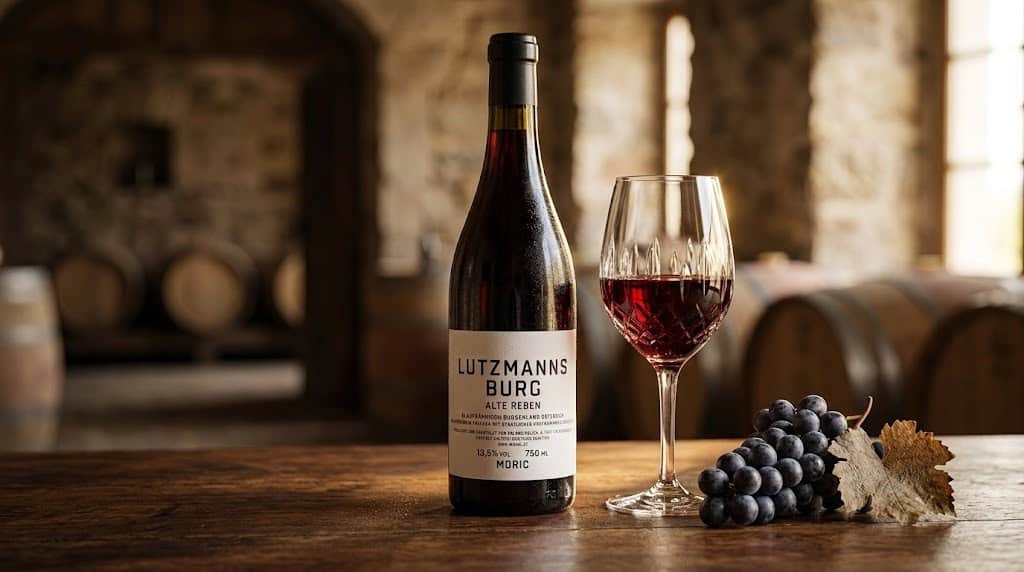
Moric “Lutzmannsburg”
Alte Reben
Why It Stands Out
- A defining benchmark for the “New Austria” red wine movement.
- Unrivaled complexity, drawing comparisons to Grand Cru Burgundy.
- Sourced from high-altitude volcanic soils in Mittelburgenland.
- Notes of crushed violets, wild blackberry, iron, and white pepper.
For collectors valuing intellectual depth and the pure, unadorned expression of ancient vine Blaufränkisch.
Price Range: –
Best Seller
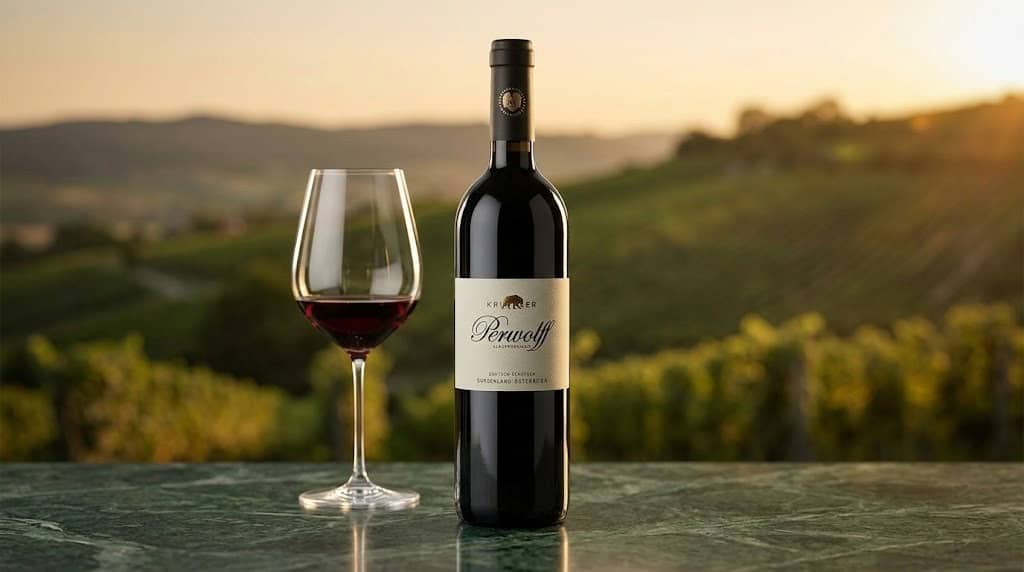
Krutzler Perwolff
Why It Stands Out
- One of the first Austrian reds to gain serious international traction.
- Massive structure with elegant, silky refinement.
- Meticulous selection from the best parcels in Südburgenland.
- Rich palate of dark plum, tobacco, cedar, and intense slate minerality.
Represents the power and longevity possible when traditional craft meets Burgenland’s iron soils.
Price Range: –
Tasting Blaufränkisch: A Ritual of Elegance
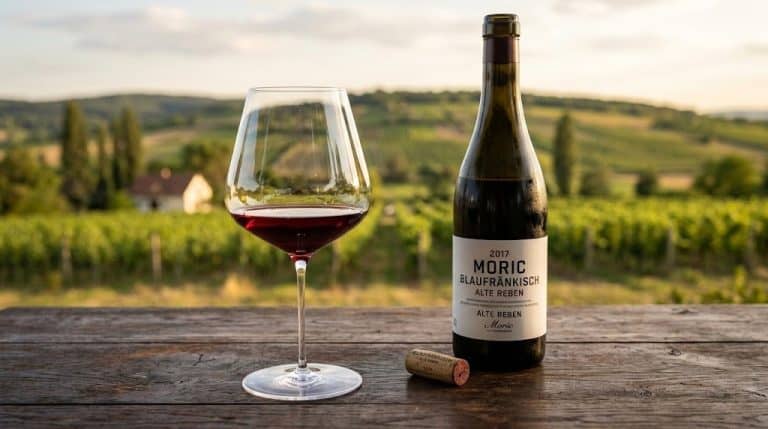
For the discerning enthusiast, presentation is paramount. A Blaufränkisch served in a Zalto Burgundy glass elevates the experience, enhancing aromatic clarity and flavor integration. This glassware is prized among sommeliers and collectors for its ability to convey the wine’s subtlety and depth, aligning perfectly with Burgenland’s ethos of sophisticated craftsmanship.
- Visual Appreciation: Deep ruby hues with violet edges signal youthful vibrancy and concentration.
- Olfactory Complexity: Notes of black cherry, cassis, graphite, and fine spice emerge progressively.
- Palate Evolution: Silky tannins, vibrant acidity, and a mineral backbone culminate in a long, elegant finish.
“Blaufränkisch is a wine that commands attention. It deserves the finest glassware—Zalto or equivalent—to truly reveal its nuances,” notes Somm. Lukas Huber, Burgenland wine consultant.
Why Burgenland Reds Are a Collector’s Choice
The exclusivity of Burgenland’s reds is not merely a function of taste; it is a convergence of rarity, heritage, and potential financial appreciation.
- Limited Production: Many top vineyards produce only a few thousand bottles annually, ensuring scarcity.
- Critical Acclaim: International wine critics increasingly recognize Burgenland as a benchmark for Blaufränkisch excellence.
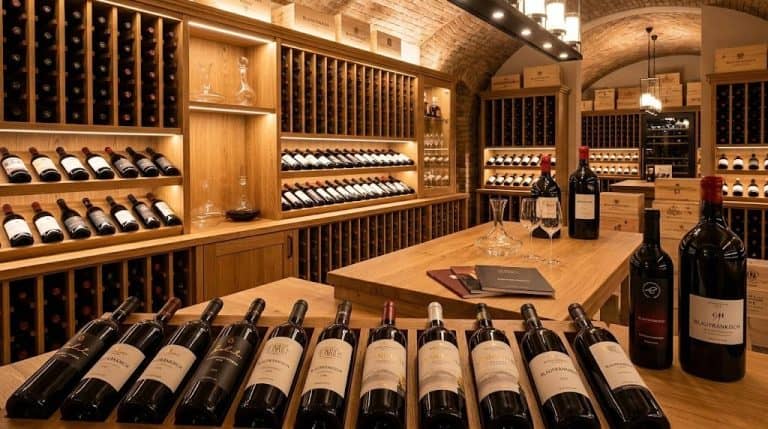
- Long-Term Investment: With proper storage, premium bottles can significantly increase in value over 10–20 years, similar to renowned Burgundies or Barolos.
- Auction & Private Market Activity: Burgenland reds are making appearances in high-profile wine auctions, underscoring their growing investment cachet.
Pairing Burgenland Reds with Culinary Mastery
Blaufränkisch’s versatility extends beyond the glass—it is a sommelier’s dream partner for gourmet cuisine. Its acidity and tannin structure complement rich proteins and artisanal ingredients, making it a centerpiece for exclusive dining experiences.
- Red Meat & Game: Venison, lamb rack, or dry-aged beef align beautifully with the wine’s depth.
- Cheese Pairings: Aged alpine cheeses, smoked gouda, or blue-veined varieties bring out secondary flavors.
- Global Fusion: Think truffle-infused risottos or porcini-dusted pasta—a match for those seeking cosmopolitan flair.
Visiting Burgenland: Wine Tourism for the Connoisseur
For high-income enthusiasts, Burgenland offers an immersive wine tourism experience where exclusivity is the standard:
- Private Estate Tours: Many wineries offer appointments-only tastings and cellar explorations.
- Gastronomic Excellence: Michelin-starred restaurants paired with local vintages.
- Cultural Enrichment: Historical vineyards dating back to the Habsburg era add context to each sip.
“A visit to Burgenland is more than a tasting—it’s a journey into the soul of Austrian reds,” reflects Elisabeth Wagner, luxury travel curator specializing in wine experiences.
The Future of Austrian Reds
With growing global recognition, Burgenland is poised to elevate Austrian reds to the same prestige enjoyed by Burgundy or Barolo. Continued investment in vineyard management, sustainable practices, and marketing to luxury markets ensures that Blaufränkisch will remain a coveted asset for both collectors and epicureans.
- Sustainability: Eco-conscious viticulture preserves soil integrity and flavor authenticity.
- Market Growth: High-net-worth consumers in the US, Asia, and Europe are increasingly embracing Austrian reds.
- Legacy Potential: Top vintages promise generational appeal, suitable for heirloom cellars.
Burgenland’s Spiritual Resonance
Burgenland is not just a wine region—it is a living testament to Austrian red wine mastery. From the Pannonian sun-soaked slopes to the meticulous artistry of vintners, every bottle of Blaufränkisch embodies heritage, refinement, and investment potential. For collectors and connoisseurs seeking wines that blend exclusivity, elegance, and financial appreciation, Burgenland represents a rare and enduring opportunity.
Whether savored in a Zalto glass during an intimate tasting or acquired for a curated investment cellar, the reds of Burgenland are more than beverages—they are a statement of sophistication, a spiritual homage to Austria’s vinous artistry, and a tangible asset for the discerning collector.