Understanding Loess: Why This Soil Defines Austrian Grüner
In the rarefied world of fine wine, the allure of Austrian Grüner Veltliner lies not just in its crisp citrus notes or the minerality that dances on the palate—but in the very soil beneath its roots. This unique terroir, dominated by loess, defines the grape’s character with unmatched precision. For collectors, sommeliers, and enthusiasts who understand that true luxury extends from vineyard to glass, the role of loess is a critical consideration in both tasting and investment.
Unlike common soils, loess is an aeolian sediment—a wind-blown deposit of silt and minerals that has settled over millennia. Its presence in Austria’s premier wine regions, particularly the Wachau, Kremstal, and Kamptal, provides Grüner with a structure, finesse, and aging potential that few other soils can replicate. Understanding loess is to understand why Austrian Grüner commands both attention and premium pricing on the international market.
What is Loess?
Loess is essentially a fine-grained silt deposited by ancient winds, often after glacial retreat. In Austria, these deposits accumulated across river terraces and valley slopes, forming a deep, uniform layer that retains both moisture and minerals exceptionally well. Unlike clay, which can be heavy and limiting, or sand, which drains too quickly, loess offers a perfect equilibrium:
- Mineral Density: Loess contains high levels of calcium carbonate and quartz, imparting a distinctive stony minerality.
- Water Retention: It absorbs and holds water, sustaining the vine even in drier growing seasons without oversaturating the roots.
- Temperature Regulation: Its uniform composition buffers against temperature fluctuations, protecting delicate aromas in the grape.
“Loess is the silent architect of Grüner Veltliner’s elegance,” remarks Dr. Elisabeth Fischer, a viticultural geologist based in Vienna. “It’s not just soil—it’s a sculptor of flavor, texture, and longevity.”
The Signature Impact of Loess on Grüner Veltliner
Elegance and Texture
Grüner Veltliner grown on loess exhibits a mouthfeel that can only be described as silky yet structured. This soil encourages slow, steady ripening, which results in nuanced acidity and a creamy mid-palate that luxury wine buyers covet.
Aromatic Complexity
Loess influences aromatic expression, lending Grüner layers of white pepper, green apple, and subtle floral notes. More importantly, wines from loess-rich vineyards show a mineral clarity that makes them highly sought after for both consumption and investment.
Aging Potential
High-caliber loess vineyards yield Grüner Veltliners capable of remarkable aging. A wine that opens with bright citrus and pepper in its youth can evolve over a decade or more into a honeyed, nutty, profoundly layered expression. For collectors, this longevity translates directly into investment potential.
Why Austrian Loess Stands Apart
While loess exists in other regions, Austrian deposits are particularly noteworthy due to their:
- Depth: Some terraces in the Wachau contain over 20 meters of loess.
- Purity: Minimal admixture with clay or sand ensures a clean, mineral backbone.
- Microclimates: Coupled with the Danube’s tempering influence, Austrian loess allows for wines of striking precision and intensity.
Sommeliers in New York, Los Angeles, and Miami often remark on the unmistakable “grip” and clarity of Grüner from loess vineyards, noting that it differentiates Austrian expressions from those of neighboring Germany or Hungary.
Expert Insight: Crafting a Loess Expression
Michael Haider, winemaker at one of Austria’s top boutique estates, explains:
“Working with loess is like collaborating with a master sculptor. The soil provides the outline, but your choices in canopy management, harvest timing, and fermentation define the final shape. Loess demands precision—it rewards patience.”
This insight underscores the craftsmanship involved in producing truly world-class Austrian Grüner. It is not a mass-market grape; it is a signature of exclusivity, terroir, and artisanal attention.
The Investment Perspective
Why Loess-Driven Grüner is a Collector’s Choice
Luxury wine collectors are increasingly looking beyond Bordeaux and Burgundy, recognizing Austrian Grüner as a smart, high-value investment. Loess-rich wines consistently perform well at auctions, often appreciating faster than equivalent white wines from other regions. The reasons are multifaceted:
- Limited Supply: High-quality loess vineyards are finite and often family-owned, ensuring scarcity.
- Provenance and Terroir: Buyers value wines with traceable soil-driven character—a narrative as compelling as the wine itself.
- Longevity: Loess wines age gracefully, creating opportunities for future appreciation.
In short, loess is more than soil—it is the foundational asset for wines that blend consumption pleasure with financial prudence.
Pairing Loess Grüner: Sophistication in Glass
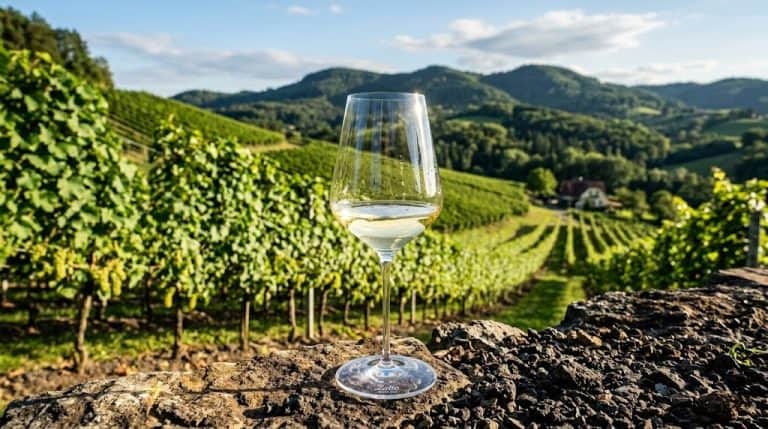
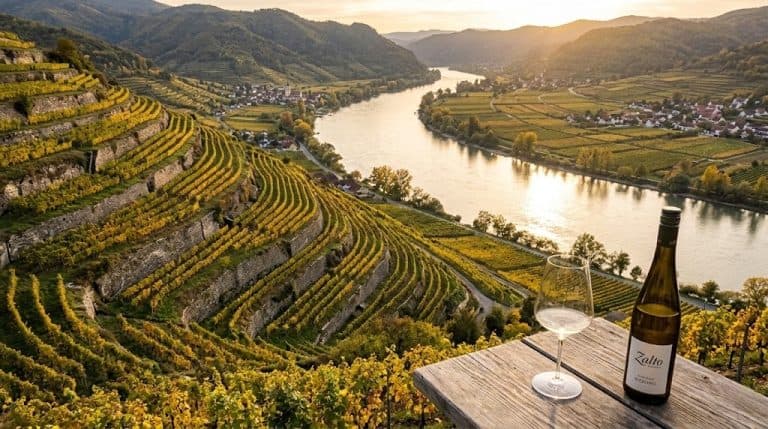
A wine of this caliber deserves the proper vessel. Austrian sommeliers universally recommend Zalto glassware, whose delicate yet structurally precise crystal amplifies both aroma and texture.
Serving Tip: Use a Zalto “Universal” or “White Wine” glass. The thin rim, wide bowl, and tapered lip concentrate Grüner’s peppery aromas while guiding its creamy mid-palate to the palate with elegance. Even the lightest sip feels considered, luxurious, and intentional—perfect for connoisseurs entertaining at home or for investment tastings.
Culinary Pairings
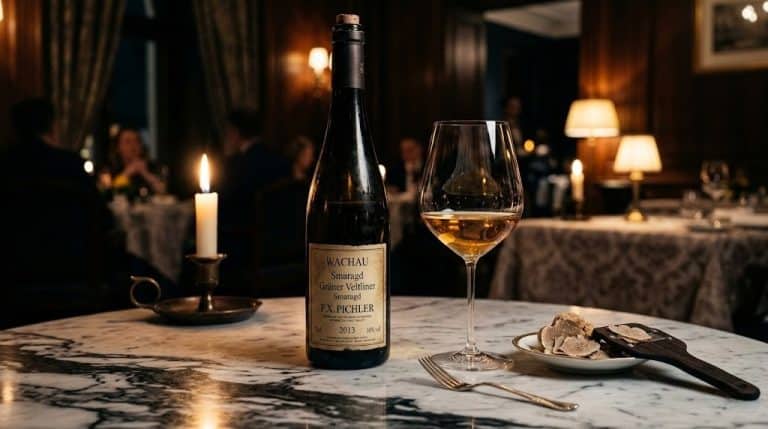
- White truffle risotto or lobster thermidor
- Smoked quail or delicate charcuterie
- Fine Alpine cheeses with subtle nutty notes
Every pairing emphasizes the wine’s mineral backbone while allowing its silken texture to shine—a truly haute-cuisine experience.
Regional Spotlight: Loess in Austria
Wachau
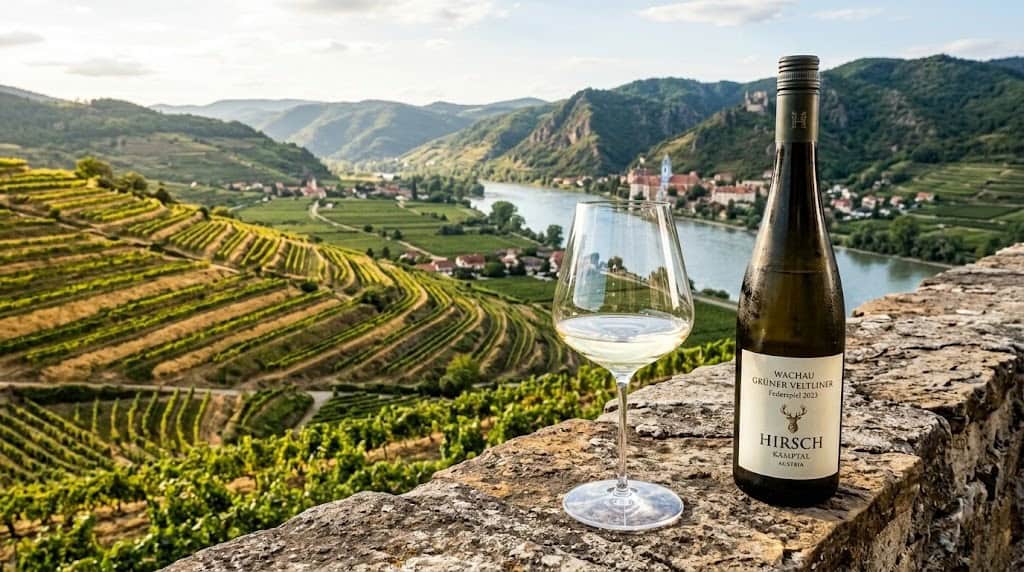
The Wachau Valley is arguably the crown jewel of loess-driven Grüner. Terraced vineyards on the steep Danube slopes yield wines of exceptional structure and length. The loess layers here are particularly deep, which explains the region’s ability to produce both bright, immediate wines and those of profound aging potential.
Kremstal
Kremstal’s loess terraces combine stony soil with gentle slopes, creating a Grüner of delicate aromatic layers and creamy texture. The microclimate allows for perfect ripening, with grapes achieving balance between acidity and richness—ideal for high-end gastronomy pairing.
Kamptal
In Kamptal, loess interacts with limestone and river gravel to produce Grüner wines of unmistakable finesse. The region is known for both single-vineyard expressions and top-tier blends, often commanding premium prices at auction and direct sales.
Sustainability and Loess Management
Top Austrian estates recognize that preserving loess vineyards is a long-term investment in both quality and heritage. Sustainable practices include:
- Cover cropping to prevent erosion
- Minimal tillage to maintain soil structure
- Precision irrigation to enhance natural water retention
Such practices ensure that loess remains a living, dynamic medium for centuries—critical for estates aiming to produce wines that rival the great whites of Europe.
Collector’s Top Picks
Best Seller
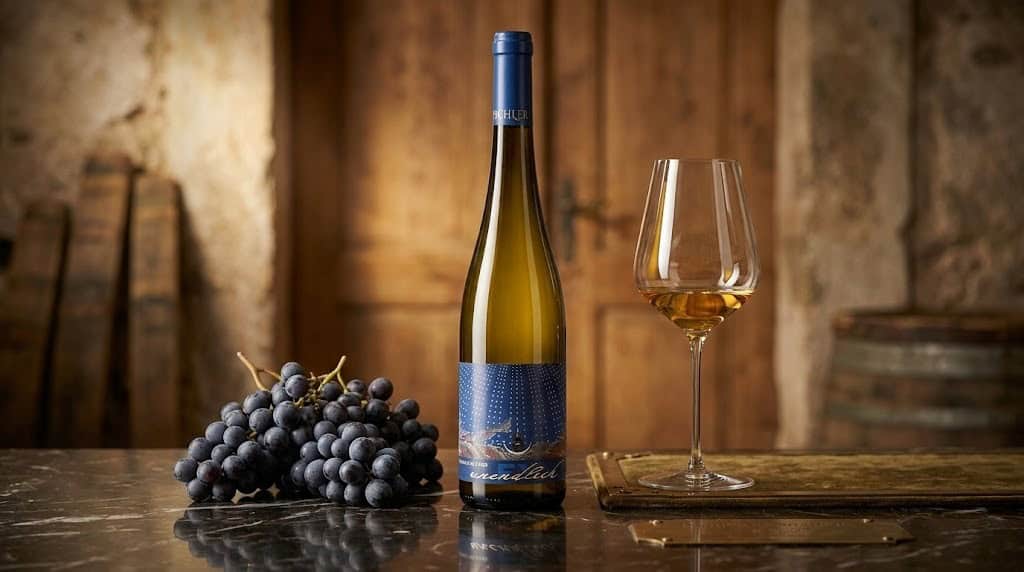
F.X. Pichler Grüner
Veltliner “Unendlich”
Why It Stands Out
- The definitive “Trophy Wine” of the Wachau valley.
- Sourced from top-tier loess in the Kellerberg vineyard.
- Unrivaled concentration and a finish that lasts for minutes on the palate.
- Notes of saffron, ripe stone fruit, and a deep, vibrating mineral core.
A masterpiece of power and precision, this is the primary choice for collectors looking to anchor an Austrian cellar with a world-class asset.
Price Range: $250–$350
Best Seller
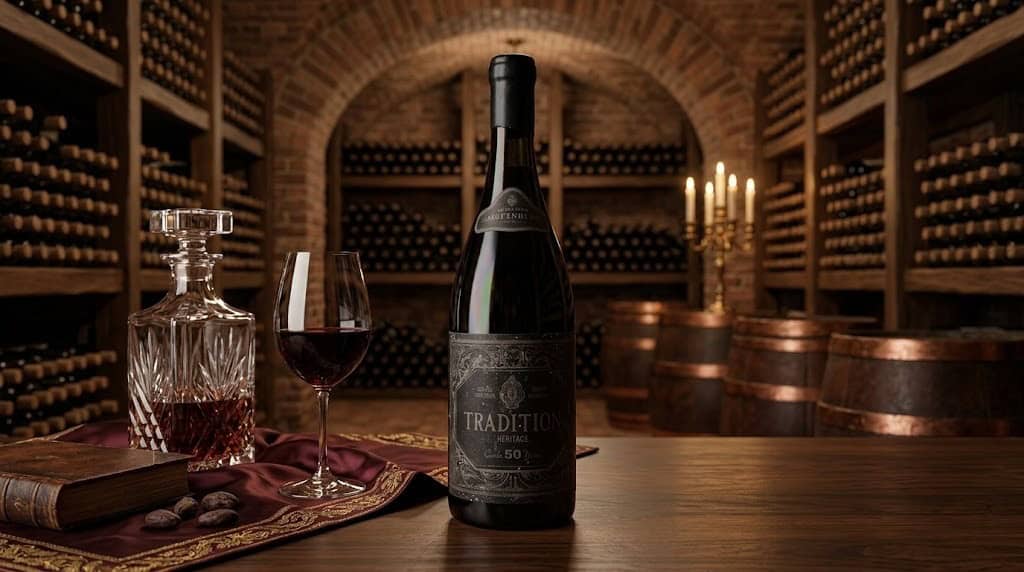
Schloss Gobelsburg
“Tradition Heritage”
Why It Stands Out
- Released to celebrate the estate’s 850-year winemaking legacy.
- A blend of the finest barrels from decades of cellar aging.
- Silky texture that showcases how loess wines evolve over time.
- Notes of dried apricot, beeswax, white pepper, and toasted almond.
An extraordinary library release that offers immediate sophistication for gala dinners or long-term appreciation in a climate-controlled cellar.
Price Range: $180–$240
The Collector’s Mindset: Elevating Austrian Grüner
Investing in loess-driven Grüner is a deliberate act. Each bottle represents a convergence of geology, craftsmanship, and scarcity. It is not merely wine—it is a tangible asset, a conversation piece, and a testament to the artistry of Austrian viticulture.
Luxury consumers and investors alike should approach this category with the mindset of a curator: sourcing from established estates, focusing on single-vineyard expressions, and honoring provenance. With the right approach, loess Grüner becomes a statement of taste and financial acumen.
More Than Soil, It’s Legacy
Loess is the invisible hand guiding Austrian Grüner Veltliner’s ascent from regional favorite to global luxury commodity. Its mineral richness, water retention, and structural contribution are unmatched, providing a foundation for elegance, aging potential, and collectible value.
For the discerning consumer, loess-driven Grüner is not merely a purchase—it is an entry into a world where geology meets artistry, where terroir is investment, and where every sip tells a story of centuries-old craftsmanship. Paired with the precision of Zalto glassware, the experience becomes nothing short of sublime.
Understanding loess is not optional for those serious about Austrian wine—it is essential. Those who master its language will enjoy both pleasure and prestige in every glass.