Design & Wine: Austria’s Most Architecturally Stunning Wineries
Austria has long been celebrated for its precision winemaking, crystalline terroir expression, and remarkable balance between tradition and innovation. Yet in recent years, another dimension has elevated the country’s wine culture to global prominence: architectural excellence.
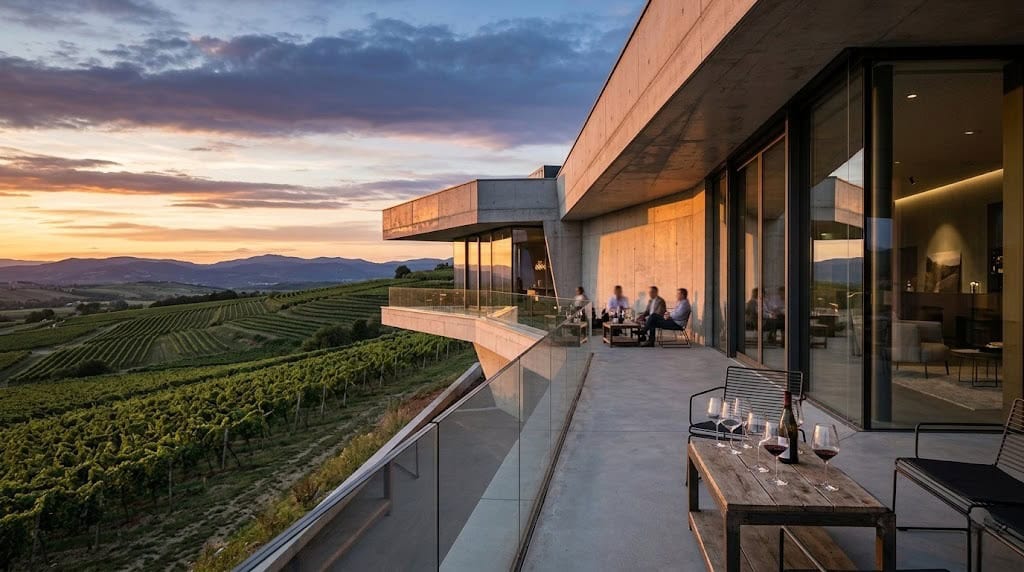
In regions like Burgenland, visionary wineries are pairing striking modern design with world-class vintages. Glass-walled tasting salons, sculptural barrel cellars, and minimalist hospitality spaces now define the experience of visiting Austrian estates. These are not merely production facilities—they are destinations where architecture, landscape, and craftsmanship converge.
For American collectors and luxury travelers, these wineries offer something increasingly rare: authenticity expressed through thoughtful design. The architecture tells a story about the wines themselves—precise, elegant, and deeply connected to place.
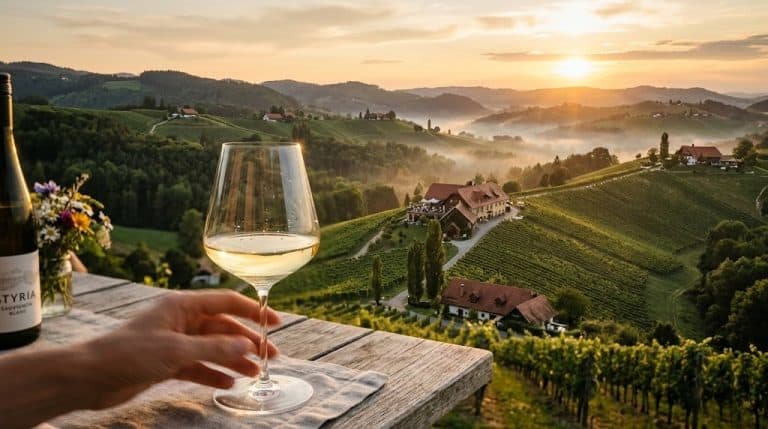
And for those savoring a glass of Blaufränkisch or Chardonnay poured into the feather-light bowl of Zalto stemware, the message becomes unmistakably clear: Austrian wine culture is as visually captivating as it is sensorially profound.
The Rise of Architectural Wineries in Austria
Architecture has always played a role in Europe’s wine regions, but Austria has embraced modern design with unusual confidence.
Over the last two decades, a new generation of vintners has invested heavily in architectural identity—commissioning celebrated architects to design buildings that harmonize with vineyards while reflecting contemporary aesthetics.
The shift was inspired in part by pioneering projects such as the iconic wine center at LOISIUM Wine & Spa Resort, designed by architect Steven Holl. While located in Kamptal rather than Burgenland, the project demonstrated that avant-garde architecture could amplify the cultural power of wine tourism.
Burgenland soon followed with an impressive wave of architecturally ambitious estates.
These wineries embody a distinctly Austrian philosophy: restraint, clarity, and purposeful design—values that mirror the wines themselves.
Where Design Meets Terroir: Burgenland’s Modern Wine Icons
Burgenland sits along Austria’s eastern edge bordering Hungary, where the sun-drenched climate produces powerful yet elegant reds—particularly Blaufränkisch and St. Laurent—alongside refined whites and world-renowned sweet wines.
Today, the region also stands as a showcase of architectural wine estates.
Below are some of the most visually compelling wineries redefining the luxury wine experience.
“Austria’s new winery architecture reflects the same mindset we see in the wines—clarity, precision, and respect for the landscape.”
— Chris Yorke, CEO of Austrian Wine Marketing Board
Weingut Leo Hillinger: Minimalism at Monumental Scale
Few wineries in Austria announce themselves as dramatically as the Hillinger estate.
From a distance, the structure appears carved directly into the hillside above Lake Neusiedl. The design—sleek concrete, glass, and steel—feels almost cinematic against the rolling vineyards.
Inside, the tasting room is flooded with natural light, with panoramic views stretching across the lake basin. Clean architectural lines and restrained materials allow the wines to take center stage.
Visitors often remark that tasting here feels more like entering a modern art museum than a traditional cellar.
The architectural experience reinforces Hillinger’s brand: contemporary, internationally minded, and uncompromising in quality.
For collectors, the estate’s premium cuvées—especially its top Blaufränkisch expressions—reflect the same philosophy of precision and structure.
Weingut Scheiblhofer: A Cathedral of Wine
In the flat landscape of Burgenland’s Seewinkel area, the Scheiblhofer winery rises like a modern temple.
Its bold façade—glass, stone, and clean geometric forms—opens into an expansive interior that combines hospitality, tasting rooms, and production facilities under one striking roof.
The barrel cellar is particularly dramatic. Long corridors of oak barrels sit beneath soaring ceilings, illuminated by carefully placed architectural lighting that evokes both luxury and reverence.
Scheiblhofer’s estate illustrates a broader trend: wineries that treat hospitality as an integral component of brand identity.
Guests arrive not only to taste wine, but to immerse themselves in the environment that created it.
Weingut Esterházy: Aristocratic Heritage Reimagined
Few names carry the historical resonance of the Esterházy family, one of Central Europe’s most influential noble houses.
Their winery merges centuries-old tradition with cutting-edge architecture.
The estate’s contemporary cellar complex integrates into the landscape through understated design—clean horizontal lines, natural materials, and subtle lighting.
Rather than compete with the surrounding vineyards, the architecture recedes into them.
Inside, gravity-flow winemaking facilities reflect the same elegance and restraint found in the wines themselves.
The result is a winery that communicates quiet confidence—luxury expressed through refinement rather than spectacle.
Weingut Gernot Heinrich: Sustainability Meets Sculpture
Perhaps the most philosophically compelling design belongs to the Heinrich estate.
Built with an emphasis on sustainability, the winery blends natural materials, biodynamic principles, and architectural sophistication.
The structure feels almost sculptural—its minimalist exterior hiding an intricate network of fermentation rooms, aging cellars, and tasting spaces.
Here, architecture serves a deeper narrative about harmony with nature.
The wines—especially their Blaufränkisch and elegant amphora-aged cuvées—mirror that philosophy, offering purity, energy, and remarkable aging potential.
“Great architecture slows people down. When guests step into a beautiful winery, they naturally taste more thoughtfully.”
— Roman Horvath, MW, of Domäne Wachau
The Tasting Room as a Luxury Experience
The modern Austrian tasting room is no longer simply a counter and a few glasses.
It is an immersive environment carefully designed to heighten sensory perception.
Large windows frame vineyard vistas like living paintings. Natural materials—wood, limestone, brushed metal—create tactile warmth. Lighting is calibrated to showcase color and clarity in the glass.
Even the glassware matters.
Many estates pour their top wines in the impossibly light, hand-blown stems of Zalto, widely considered among the finest wine glasses in the world.
The shape and balance of these glasses amplify aromatics and texture, turning each sip into a refined sensory ritual.
In this setting, architecture becomes part of the tasting experience.
Architecture as Brand Identity
For Austrian wineries entering the competitive U.S. market, architecture serves a powerful branding function.
A visually striking estate communicates:
- Commitment to quality
- Long-term investment
- Confidence in the future of the winery
It also creates memorable imagery for wine collectors and travelers—an increasingly important factor in the age of visual storytelling.
Luxury consumers are drawn to experiences that combine aesthetics, craftsmanship, and authenticity.
Burgenland’s wineries deliver exactly that.
Collector’s Top Picks
Elite Access
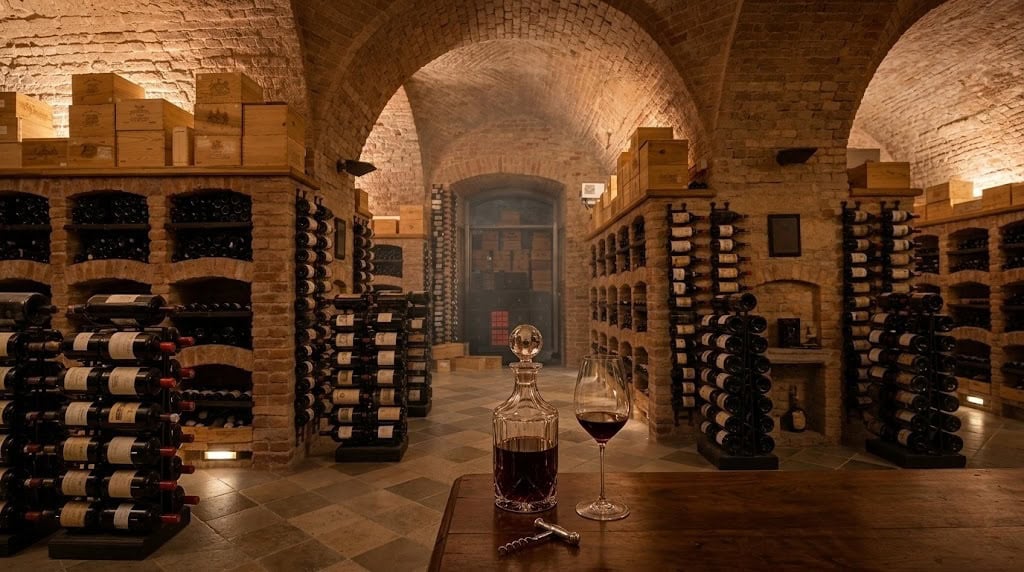
The Palais Coburg
Rare Wine Vault Tour
Why It Stands Out
- Winner of “World’s Best Wine List” by World of Fine Wine.
- Access to historical vintages dating back to the 18th century.
- The Rarities Cellar holds some of the most expensive bottles on Earth.
- Tailored to the specific preferences of high-end vertical collectors.
An essential pilgrimage for the serious wine investor seeking the rarest Austrian and international expressions in a palace setting.
Price Range: $500–$2,500
Best Seller
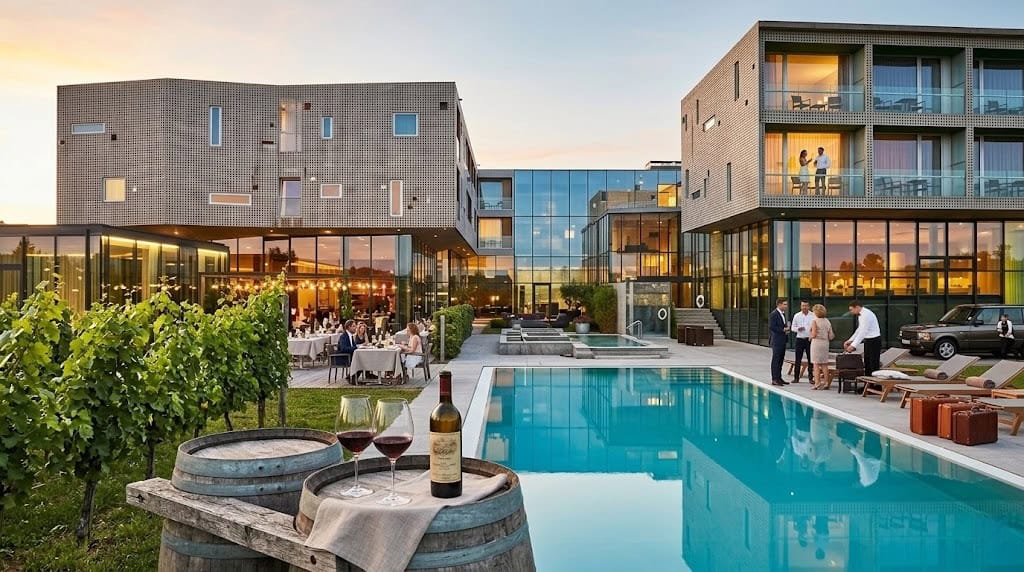
LOISIUM Wine & Spa
Luxury Vineyard Loft
Why It Stands Out
- World-renowned avant-garde architecture by Steven Holl.
- Unrivaled views of the Kamptal vineyard landscape.
- Immersive “Wine World” experience in 900-year-old cellars.
- A masterclass in modern Austrian luxury lifestyle.
The ultimate destination for design-driven travelers who want to wake up in the heart of the vines without sacrificing five-star amenities.
Price Range: $450–$950
Why High-End Wine Travelers Are Paying Attention
Luxury wine tourism has evolved dramatically.
Today’s affluent traveler seeks experiences that blend:
- Culinary sophistication
- Cultural authenticity
- Design excellence
- Limited-production wines
Burgenland delivers on all four.
Visitors can spend the morning cycling through vineyards along Lake Neusiedl, the afternoon tasting Blaufränkisch in architecturally stunning cellars, and the evening dining in Michelin-recognized restaurants nearby.
For collectors accustomed to Napa or Bordeaux, the experience feels refreshingly undiscovered.
“Wine tourism today is about emotional connection. Architecture is one of the most powerful tools we have to create that moment.”
— Austrian wine tourism consultant
Investment Potential: Architecture Signals Longevity
There is another reason architecture matters to serious wine collectors: it signals permanence.
Constructing a design-forward winery represents a multi-million-dollar commitment to the future.
Such investments often correlate with:
- vineyard expansion
- precision winemaking facilities
- long-term brand positioning
In short, wineries that build boldly often intend to remain relevant for generations.
For collectors purchasing age-worthy Blaufränkisch, that kind of commitment matters.
The Future of Austrian Winery Design
Austria’s next generation of winery architecture is already emerging.
Expect to see:
- Sustainable building materials
- Energy-efficient underground cellars
- Architect-designed hospitality spaces
- Art installations integrated into vineyards
The goal is not simply to impress visitors, but to deepen the cultural identity of Austrian wine.
Architecture will continue to play a central role in that story.
Final Thoughts
Austria has quietly become one of the world’s most exciting destinations for design-driven wineries.
Nowhere is that more evident than in Burgenland, where bold architectural statements rise among some of Europe’s most expressive vineyards.
For American wine enthusiasts—particularly those drawn to craftsmanship, exclusivity, and collector-worthy bottles—the region offers an irresistible combination of beauty and substance.
Because in Austria, the experience of wine doesn’t begin with the first sip.
It begins the moment you see the winery on the horizon.