The Wachau Valley: A Private Boat & Michelin Star Itinerary
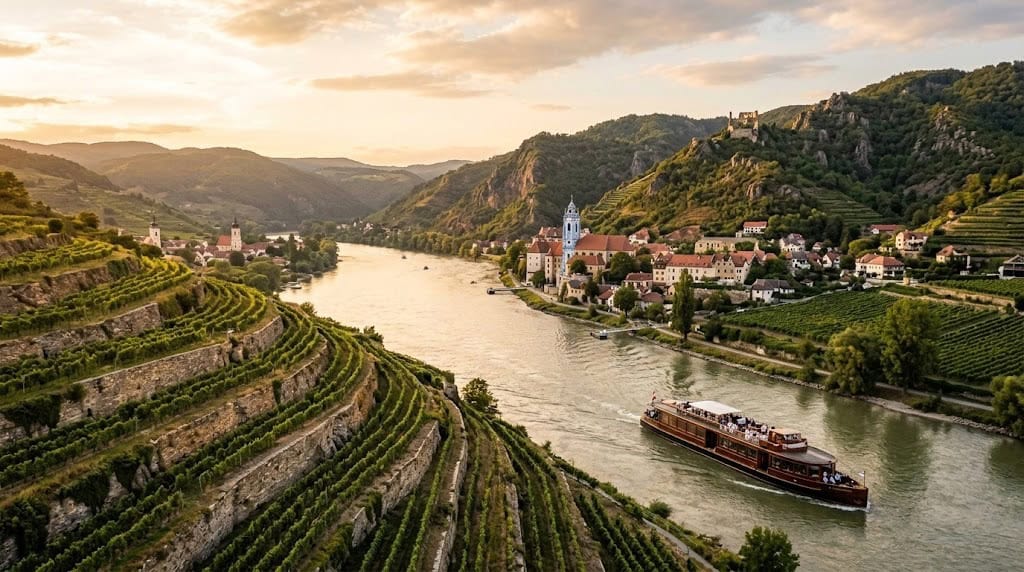
Few wine regions in the world balance historic prestige, architectural beauty, and terroir-driven excellence quite like the Wachau Valley. Stretching along a dramatic bend of the Danube between Melk and Krems, this UNESCO-listed landscape is defined by steep stone terraces, medieval villages, and some of the most collectible white wines in Europe.
For discerning American travelers and collectors alike, the Wachau represents something rare: a wine destination where craftsmanship is still largely artisanal, estates remain family-owned, and the finest bottles—particularly age-worthy Grüner Veltliner and Riesling—are produced in extremely limited quantities.
This three-day luxury itinerary offers a curated experience of the Wachau through the lens of private access, Michelin-level gastronomy, and exceptional wines. Think private boats gliding along the Danube, candlelit tastings inside centuries-old cellars, and evenings where world-class cuisine meets bottles that belong in the finest cellars.
Why the Wachau Is Europe’s Quiet Luxury Wine Destination
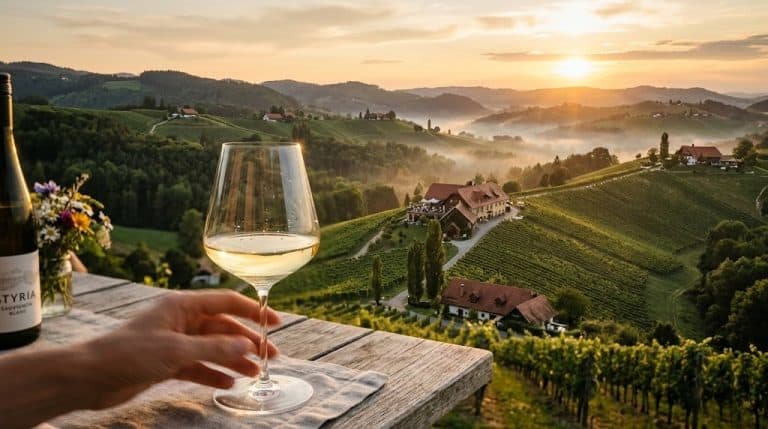
Unlike more commercialized regions, the Wachau maintains an almost monastic devotion to quality. The valley’s signature terraced vineyards—many built centuries ago—are carved directly into primary rock soils that impart remarkable minerality and precision.
The region’s classification system is equally distinctive:
- Steinfeder – light, delicate wines
- Federspiel – structured and elegant
- Smaragd – the most powerful and collectible wines
Smaragd wines, named after the emerald lizards that bask on the terraces, are particularly coveted by collectors for their concentration and aging potential.
According to Austrian wine educator and sommelier Anna-Maria Kraus:
“The greatest Wachau wines are not simply refreshing whites—they are architectural. They possess tension, structure, and the ability to evolve in the cellar for decades.”
For collectors accustomed to Burgundy or top German Riesling, Wachau wines offer both prestige and scarcity—an increasingly attractive combination.
Day 1: Arrival, River Views & Your First Smaragd
Afternoon: Arrival in Dürnstein
Begin your journey in the iconic village of Dürnstein, instantly recognizable by its cobalt-blue church tower and castle ruins overlooking the Danube.
Check into a luxury boutique property overlooking the river. The most desirable rooms feature panoramic vineyard views, where golden terraces glow in the late afternoon sun.
After settling in, take a slow walk through the medieval streets. Small courtyards reveal centuries-old wine taverns (Heuriger), many still operated by the same families who farm the surrounding vineyards.
Evening: Michelin-Starred Dining in the Wachau
Your first evening introduces the valley’s culinary excellence.
Reserve a table at Landhaus Bacher, one of Austria’s most celebrated restaurants, where modern Austrian cuisine meets precision wine pairing.
Expect dishes such as:
- Char with fermented cucumber and dill oil
- Saddle of venison with Wachau herbs
- Apricot dessert inspired by the region’s famous orchards
The wine list is extraordinary, featuring vertical selections of Wachau Riesling and Grüner Veltliner rarely seen outside elite cellars.
Wine is served in Zalto glassware, whose feather-light, hand-blown design has become the preferred vessel for sommeliers worldwide. The shape reveals the aromatic nuance and mineral tension that define Wachau wines.
Sommelier Markus Hauser notes:
“When guests taste Wachau Riesling from a Zalto glass, they suddenly understand the structure. It’s like the wine stands taller.”
End the evening with a late stroll along the Danube promenade, where the river reflects the illuminated vineyards.
Day 2: Private Danube Cruise & Grand Cru Vineyards
Morning: A Private Boat Along the Danube
There is no better way to understand the Wachau’s geography than from the water.
Charter a private wooden riverboat for a morning cruise between Dürnstein and Spitz, the valley’s most prestigious vineyard corridor.
From the deck you’ll see legendary sites rising above the river:
- Kellerberg
- Loibenberg
- Achleiten
- Singerriedel
The terraces appear impossibly steep, requiring entirely manual vineyard work.
Your guide explains the significance of each site while chilled Federspiel wines are poured onboard.
The experience is less like sightseeing and more like drifting through a living grand cru map.
Afternoon: Private Winery Access
After docking in Spitz, you’ll head into the vineyards for a private tasting experience arranged directly with a top Wachau estate.
These visits are intimate—often conducted by the winemaker themselves in cellars that date back generations.
Expect a vertical tasting of Smaragd wines that reveal how profoundly these whites age.
Flavors evolve from citrus and stone fruit into layers of:
- dried apricot
- saffron
- beeswax
- crushed rock minerality
Winemaker Lukas Albrecht explains:
“Our terraces are like time capsules. Each vintage tells the story of a year on the river.”
Collectors frequently purchase wines directly from the estate, often securing limited releases unavailable in export markets.
Collector’s Top Picks
Popular
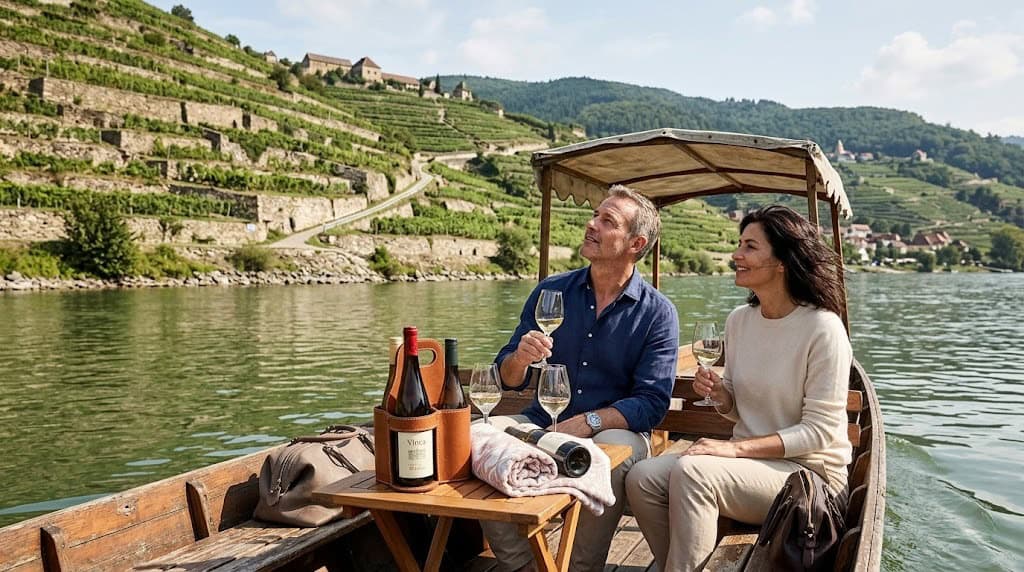
Private “Zille”
Vineyard Safari
Why It Stands Out
- Navigates the Danube in a traditional boat.
- Provides vertical perspectives of the Achleiten and Kellerberg terraces.
- Personalized itinerary avoiding the commercial cruise ship crowds.
- Includes a curated selection of rare Vinea Wachau library releases.
The ultimate way for collectors to visualize the terroir that produces Europe’s most prestigious white wines.
Price Range: –
Best Seller
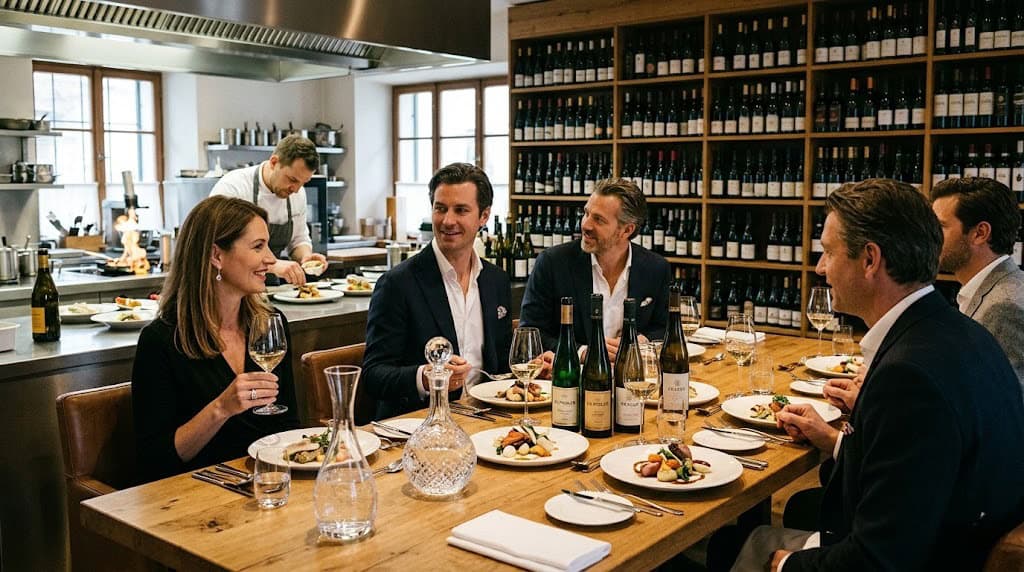
The Bacher
Chef’s Table
Why It Stands Out
- Austria’s legendary temple of gastronomy in Mautern.
- Experience Thomas Dorfer’s world-class technique firsthand.
- Access to one of Europe’s most comprehensive Austrian wine cellars.
- The pinnacle of hospitality for high-income travelers and gourmands.
A mandatory pilgrimage for any wine collector looking to see how Smaragd performs alongside Michelin-caliber cuisine.
Price Range: –
Late Afternoon: Vineyard Picnic
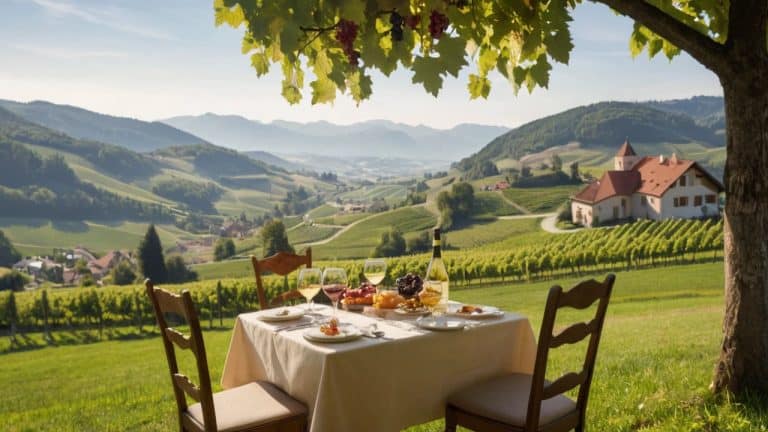
Your afternoon continues with a private vineyard picnic arranged among the stone terraces.
A curated table includes:
- Wachau smoked trout
- aged Alpine cheeses
- fresh apricot chutney
- artisanal sourdough
Naturally, the wines are poured in elegant Zalto stemware—proof that even a picnic in the Wachau can feel like a Michelin experience.
The Danube glimmers below as vineyard workers finish the day’s final rows.
It is the kind of moment that defines luxury travel: quiet, authentic, and deeply connected to place.
Day 3: Melk Abbey, Rare Wines & a Grand Farewell
Morning: Melk Abbey
Begin your final day with a short drive to Melk Abbey, one of Europe’s most magnificent Baroque monasteries.
The abbey’s golden façade overlooks the Danube and has watched over the Wachau for nearly a millennium.
Inside you’ll find:
- marble halls
- frescoed ceilings
- one of Europe’s most beautiful historic libraries
The abbey has long played a role in regional viticulture, preserving agricultural knowledge and vineyard lands.
Afternoon: Library Cellar Tasting
Your final tasting is designed for true wine enthusiasts: a rare library cellar experience.
These curated tastings showcase mature Wachau wines—bottles aged 10, 20, sometimes even 30 years.
What surprises most visitors is how youthful they remain.
A mature Smaragd Riesling might reveal aromas of:
- candied citrus peel
- lanolin
- alpine herbs
- flint
The structure remains vibrant, proof of why serious collectors increasingly pursue Austrian whites.
Wine historian Dr. Elisabeth Steiner explains:
“Wachau wines age like the greatest Rieslings in the world, yet they are still comparatively undiscovered by collectors.”
That scarcity—and rising global interest—makes them increasingly compelling as cellar investments.
Evening: A Farewell Dinner on the River
Your final evening returns to the Danube.
A private chef prepares a multi-course dinner aboard a moored riverboat as sunset washes the valley in gold.
The menu celebrates regional ingredients:
- Danube pike-perch with brown butter
- slow-braised veal with wild herbs
- apricot soufflé
Each course is paired with a curated Wachau wine flight.
As darkness settles across the vineyards, the final glass—often an older Riesling Smaragd—is poured.
It’s a fitting farewell to a region where tradition, terroir, and time converge.
The Investment Case for Wachau Wines
Serious collectors are increasingly paying attention to the Wachau.
Several factors drive this growing demand:
Limited Production
The valley is small—only about 1,300 hectares of vineyards—making production inherently limited.
Manual Viticulture
Steep terraces prevent mechanization, meaning most vineyard work is still done by hand.
Exceptional Aging Potential
Top Smaragd wines can easily evolve for 20–40 years.
Growing International Recognition
Top restaurants and sommeliers worldwide are expanding Austrian selections, particularly Wachau wines.
According to wine market consultant Daniel Weber:
“The Wachau is where Burgundy was forty years ago—exceptional terroir, small family estates, and global demand just beginning to accelerate.”
For collectors building diversified cellars, Wachau Riesling and Grüner Veltliner offer both prestige and future appreciation.
When to Visit the Wachau
Each season offers a distinct atmosphere.
Spring
Fresh greenery, quiet villages, and vineyard blossoms.
Summer
Long golden evenings perfect for river cruises.
Harvest Season (September–October)
The most electric time to visit—vineyards buzzing with activity.
Winter
A serene, almost monastic experience with cozy cellar tastings.
For luxury travelers seeking privacy and access, late spring and early autumn are particularly ideal.
The Wachau for the Discerning Traveler
In an age when many wine destinations feel increasingly commercialized, the Wachau remains something rare.
It is intimate.
It is historic.
And above all, it is authentic.
The valley rewards those who approach it slowly—preferably by boat, glass of Smaragd in hand.
For American wine enthusiasts seeking something beyond the obvious, the Wachau offers a perfect combination of:
- heritage
- world-class wines
- quiet luxury
Three days here will leave you with more than memories.
It will likely leave you with a deeper appreciation for one of Europe’s most extraordinary wine regions—and perhaps a few coveted bottles destined for your cellar.