Natural Wine for the Sophisticated Palate
For decades, the term “natural wine” conjured images of rustic bottles with unpredictable flavors, often described as “funky” or “wild.” However, the modern evolution of natural winemaking has transformed it into a category that rivals the craftsmanship of classic estates. Today, natural wines can occupy the tables of Michelin-starred restaurants, appealing to collectors and high-net-worth enthusiasts seeking exclusivity, terroir authenticity, and investment potential.
Natural wine, in its refined form, is no longer a curiosity—it is a statement of taste, sophistication, and discernment. For those accustomed to luxury, the new wave of natural wines offers elegance without compromise.
Understanding Refined Natural Wines
What Sets Them Apart
Natural wines are produced with minimal intervention, yet the finest examples are painstakingly curated. Winemakers prioritize:
- Organic or biodynamic viticulture
- Native yeast fermentation
- Hand harvesting and gentle pressing
- Minimal or no filtration and sulfite addition
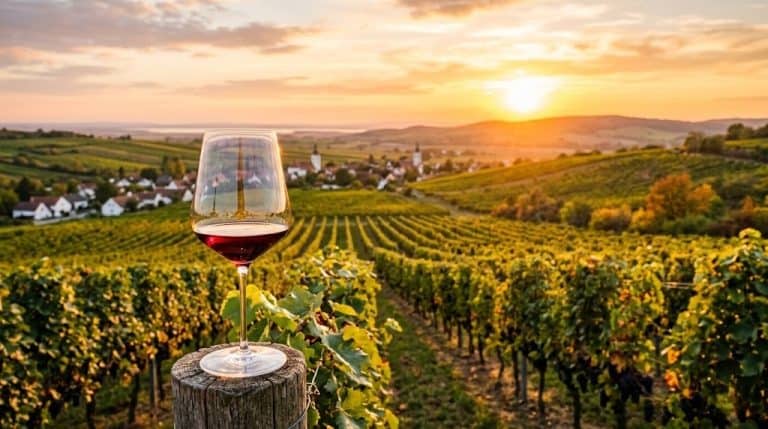
Unlike conventional wines, the best natural wines are expressions of their terroir, capturing soil, climate, and grape characteristics with exceptional clarity and complexity. This attention to detail elevates them to a status where they are appreciated as investable assets, not merely beverages.
The Sophisticated Palate
For those accustomed to grand cru Bordeaux or vintage Burgundy, natural wine offers a fresh narrative. The flavor profile transcends the “barnyard” stereotype, embracing vibrant minerality, elegant aromatics, and layered textures. Tasting these wines is akin to experiencing a masterpiece painting—each sip reveals subtle nuances that reward time and discernment.
Top Natural Wines for Connoisseurs
1. Clos Lentiscus Sumoll Brut Nature, Penedès, Spain
A sparkling natural wine crafted from the rare Sumoll grape, this bottle showcases precision fermentation with a long, creamy mousse. Ideal for collectors and tasting rooms that appreciate rarity.
2. Radikon Slatnik, Friuli, Italy
This orange wine demonstrates impeccable control over maceration and extraction. Notes of ripe apricot, almond, and honeyed florals make it a sophisticated alternative to traditional white wines.
3. Frank Cornelissen Munjebel Rosso, Sicily, Italy
Cultivated on volcanic soils, Munjebel Rosso balances powerful structure with ethereal elegance, offering deep mineral and cherry notes. Its scarcity elevates it as both a tasting experience and a collectible investment.
“The finest natural wines are about harmony between the grape and the winemaker’s hand,” explains Camille Duval, Master Sommelier. “They’re not just wines—they’re living expressions of their land, and the best bottles reward both the palate and the portfolio.”
Investing in Natural Wine: An Exclusive Opportunity
Unlike commercial wines, refined natural wines often come in small vintages, produced with artisanal care. This scarcity creates intrinsic investment value, appealing to collectors who understand both taste and market dynamics.
Key points for high-income investors:
- Provenance Matters: Seek bottles from established, terroir-driven natural producers.
- Storage and Aging: Proper cellar conditions preserve both flavor and value.
- Rarity and Reputation: Limited editions from acclaimed vineyards often appreciate faster than mainstream wines.
The Culinary Pairing Revolution
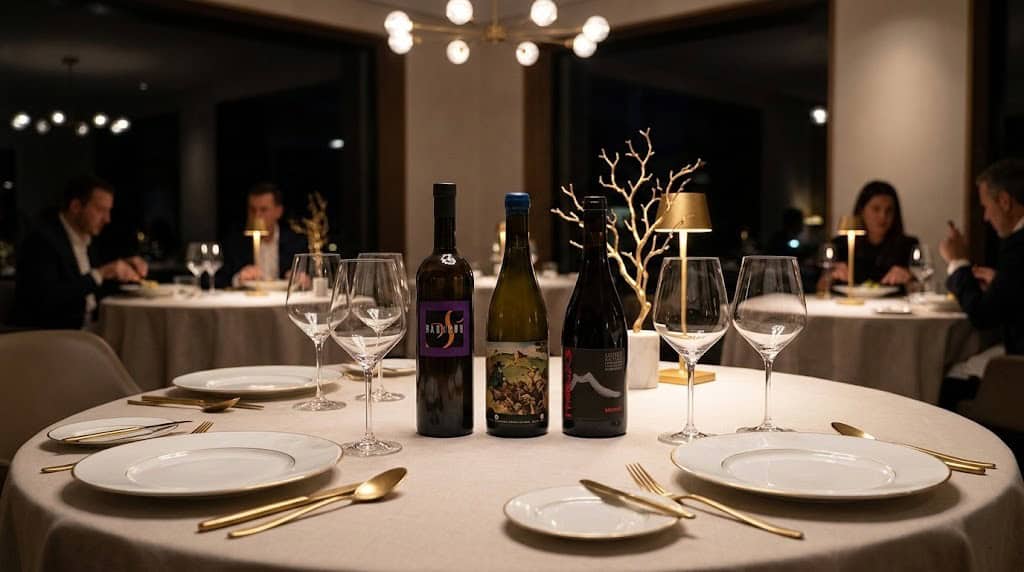
Natural wines are increasingly featured in Michelin-starred menus because they complement haute cuisine. Their nuanced acidity and refined textures pair effortlessly with:
- Truffle-infused risottos
- Seared foie gras
- Complex seafood dishes
- Artisan charcuterie boards
Chefs and sommeliers now champion natural wines not only for their taste but for their narrative and exclusivity, enhancing the dining experience.
Collector’s Top Picks
Best Seller

Gut Oggau’s
Mechthild
Why It Stands Out
- Sourced from a 60-year-old single vineyard in Burgenland.
- Pressed using a 200-year-old tree for unparalleled texture.
- The ultimate complexity, depth, and aging potential.
- Notes of dried herbs, ripe orchard fruit, and creamy brioche.
The gold standard for Austrian white wine collectors. A rare find that commands attention in any high-end cellar.
Price Range: –
Best Seller

Christian Tschida’s
Non-Tradition
Why It Stands Out
- A masterclass in “laissez-faire” winemaking.
- Aged in large Stockinger barrels for a silky, elegant mouthfeel.
- Defies expectations of Grüner Veltliner with Burgundian precision.
- Complex profile of white peach, salt-lemon, and white pepper.
A pinnacle of the Neusiedlersee region. Perfect for connoisseurs looking for purity and a “living” wine with a long life ahead.
Price Range: –
How to Select a Sophisticated Natural Wine
1. Examine the Producer’s Philosophy
Elite producers adhere to minimal intervention principles, balancing craftsmanship with authenticity.
2. Look Beyond Labels
Skip mass-market descriptions. Seek single-vineyard or single-grape selections, highlighting terroir specificity.
3. Trust the Palate, Not Trends
While some natural wines are trendy, refined natural wines reward patience and discernment. Learn the producer’s style and vintage variations.
The Future of Natural Wine in Luxury Markets
Natural wines are no longer relegated to niche markets. Luxury sommeliers, restaurateurs, and investors increasingly recognize them as:
- Culinary statements
- Collectible assets
- Expressions of sustainable, artisanal craftsmanship
In short, natural wine has become a marker of sophistication, where authenticity meets refinement.
A Refined Experience Worth Investing In
Natural wine has evolved from “quirky” to luxury craftsmanship, offering connoisseurs a chance to taste history, terroir, and artistry in a single bottle. Whether you’re exploring fine dining pairings or curating an investment-grade cellar, natural wines represent a sophisticated choice for the discerning palate.
By embracing natural wines, high-income collectors signal both taste and foresight, indulging in bottles that deliver sensory pleasure and long-term value.