The White Truffle Partner: Aged Grüner Veltliner Smaragd
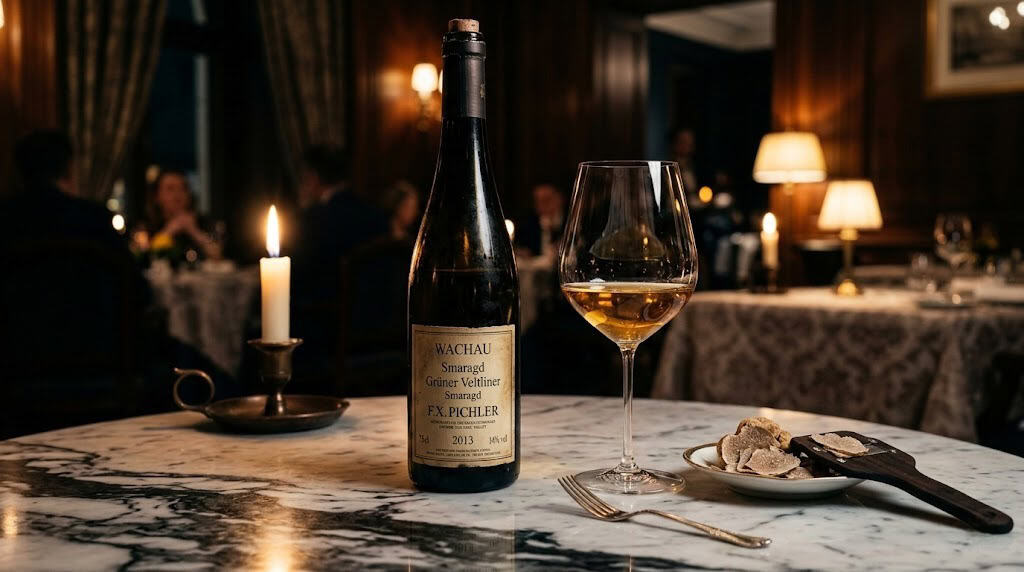
In the world of rare gastronomy, white truffles demand wines of equal prestige. These ethereal fungi—luxurious, aromatic, and fleeting—require a partner capable of elevating their complexity rather than competing with it.
For decades, collectors instinctively reached for Grand Cru Burgundy. Yet among insiders, sommeliers, and private cellar buyers, a different white wine has quietly risen to prominence: Aged Grüner Veltliner Smaragd from the Wachau Valley.
Powerful yet refined, structured yet vibrant, these wines possess the depth, longevity, and gastronomic precision to stand beside the most revered white Burgundies. For those seeking rarity, craftsmanship, and investment-worthy bottles, Smaragd-level Grüner Veltliner offers one of the most compelling discoveries in the world of fine wine.
This guide explores why these wines are coveted by collectors, how to select the finest examples, and which bottle deserves a place in your cellar.
Understanding Smaragd: Austria’s Most Prestigious Grüner Veltliner
To appreciate the stature of these wines, it’s important to understand what Smaragd represents.
Within the Wachau classification system established by the Vinea Wachau, wines are categorized into three levels:
- Steinfeder – light, delicate wines
- Federspiel – balanced, mid-weight expressions
- Smaragd – the pinnacle: powerful, age-worthy wines
The name Smaragd refers to emerald-green lizards basking on the warm stone terraces of the Wachau—a fitting symbol for wines born from sun-drenched vineyards and mineral-rich soils.
Smaragd wines typically feature:
- Higher alcohol levels (often 13.5–14.5%)
- Concentrated fruit and extract
- Remarkable aging potential
- Textural depth comparable to elite Burgundy
The result is a white wine with intensity, structure, and sophistication, designed for both immediate pleasure and long-term cellaring.
The Wachau: Where Terroir Creates Icons
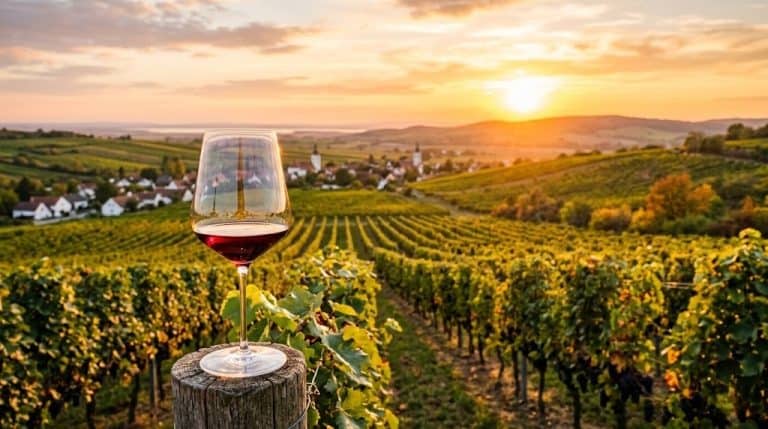
The Wachau Valley, located along the Danube River in northeastern Wachau Valley in Austria, is one of Europe’s most dramatic wine regions.
Steep stone terraces carved into the hillsides capture sunlight and reflect heat into the vines. Beneath them lie ancient soils composed of:
- Gneiss
- Granite
- Loess
These soils create wines defined by mineral tension and savory complexity—a hallmark of serious Grüner Veltliner.
The finest Smaragd bottlings come from legendary vineyards such as:
- Achleiten Vineyard
- Kellerberg Vineyard
- Smaragd Loibenberg Vineyard
From these sites, growers craft wines capable of aging for two decades or more—a characteristic that places them firmly in the realm of collectible fine wine.
Why Aged Grüner Veltliner Rivals Grand Cru Burgundy
Collectors often compare mature Smaragd Grüner Veltliner with top white Burgundy from Burgundy.
The comparison isn’t hyperbole.
Both wines share several defining characteristics:
Structural Power
Smaragd wines possess substantial alcohol and extract, giving them a rich, almost creamy mid-palate.
Mineral Precision
The rocky Wachau soils produce saline, flinty minerality, a quality often associated with Burgundian terroirs like Puligny-Montrachet.
Longevity
While many white wines fade quickly, great Smaragd Grüner Veltliners evolve magnificently for 10–25 years.
With age they develop aromas of:
- Honeycomb
- Dried apricot
- Tobacco leaf
- White pepper
- Forest floor
These flavors make them extraordinarily compatible with luxury cuisine, particularly dishes centered around truffles.
Why White Truffles Love Grüner Veltliner
White truffles, especially those from Alba, possess intensely aromatic compounds reminiscent of:
- garlic
- hazelnut
- earth
- mushroom
Pairing wine with such a complex ingredient requires balance.
Grüner Veltliner succeeds because it offers:
Aromatic Compatibility
The grape naturally produces peppery and herbal notes that echo the earthy complexity of truffles.
Acidity
Its bright acidity cuts through butter-rich dishes like truffle risotto.
Texture
The powerful body of Smaragd wines stands up to luxurious preparations involving cream, eggs, and aged cheese.
The result is a pairing that feels harmonious rather than competitive.
Why Sommeliers Love Aged Grüner
Many elite sommeliers consider mature Grüner Veltliner one of the most underrated luxury wines in the world.
“A great Smaragd Grüner aged 10 to 15 years can rival the texture and depth of top white Burgundy—yet it offers a distinctive spice and minerality that Burgundy cannot replicate.”
— Aldo Sohm, Master Sommelier
“When white truffles arrive at the table, aged Grüner Veltliner is often my first instinct. The pepper and savory notes create an extraordinary resonance with the dish.”
— Raj Parr, sommelier and wine producer
These endorsements reflect a growing consensus among wine professionals: Smaragd Grüner Veltliner belongs in the conversation with the world’s great whites.
Collector’s Top Picks
Best Seller
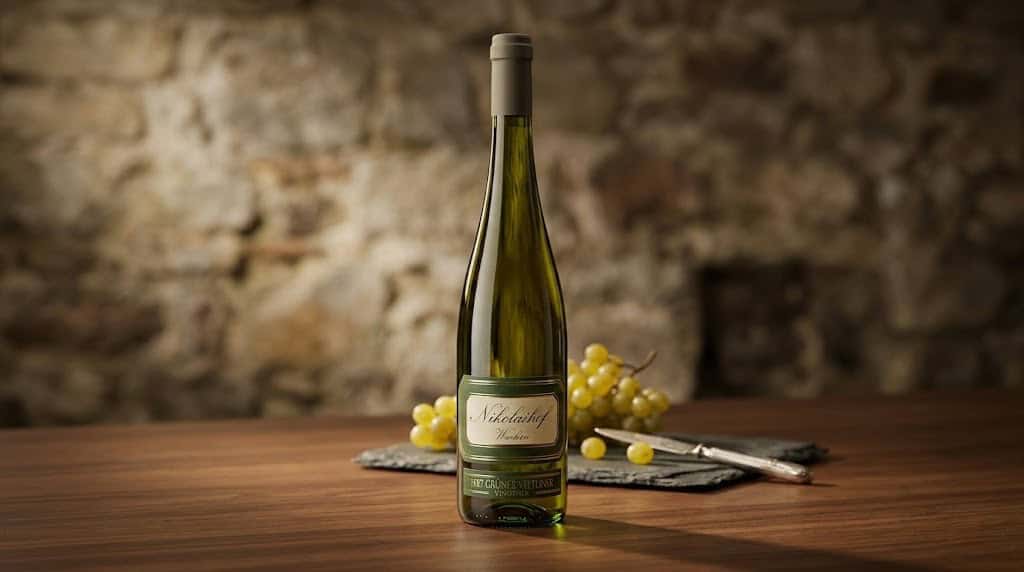
Nikolaihof
“Vinothek” Grüner
Why It Stands Out
- Released only when perfectly mature.
- Low-intervention, traditionalist approach with zero modern additives.
- The texture is ethereal, velvety, savory, and vibrationally alive.
- Distinctive notes of beeswax, salted lemon, and forest Floor.
The “Holy Grail” for natural wine enthusiasts and traditionalists seeking the most age-stable biodynamic wine on earth.
Price Range: $180–$320
Best Seller
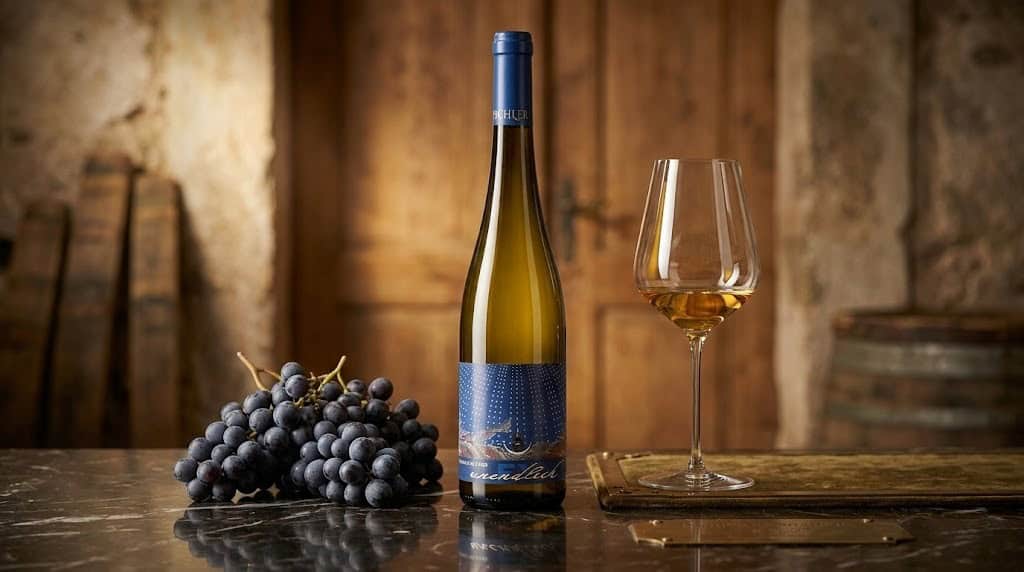
F.X. Pichler
“Unendlich” Smaragd
Why It Stands Out
- Austria’s most coveted “cult” wine.
- A masterful blend of the best grapes from the Kellerberg and Loibenberg sites.
- Incredible structural density that matches the weight of a Montrachet.
- Opulent notes of exotic fruit, saffron, and white pepper.
The definitive choice for those who demand the absolute pinnacle of Wachau power and global prestige.
Price Range: $250–$450
The Most Prestigious Producers to Know
Serious collectors gravitate toward a handful of Wachau estates known for producing world-class Smaragd wines.
1. F.X. Pichler
Perhaps the most internationally celebrated Wachau estate.
Their wines are known for:
- enormous concentration
- precision winemaking
- extraordinary longevity
Kellerberg and Loibenberg bottlings are especially coveted.
2. Emmerich Knoll
A historic winery producing deeply expressive, age-worthy wines.
Knoll’s Grüner Veltliners are renowned for:
- exotic spice
- remarkable structure
- slow, graceful maturation
3. Prager Winery
Collectors prize Prager wines for their refinement and mineral precision.
Achleiten Smaragd bottlings often age beautifully for 20+ years.
4. Hirtzberger Winery
The Hirtzberger estate produces some of the most powerful and opulent Smaragd wines in the region.
Their wines from the Singerriedel vineyard are legendary among enthusiasts.
How to Identify an Investment-Grade Bottle
Not every Grüner Veltliner qualifies as a collector’s wine. When purchasing Smaragd bottles for cellaring or luxury dining, consider the following criteria.
1. Vineyard Designation
Single-vineyard wines often command the highest prestige.
Look for names like:
- Kellerberg
- Achleiten
- Singerriedel
These sites consistently produce wines with greater complexity and longevity.
2. Producer Reputation
Elite estates maintain strict vineyard practices and lower yields, resulting in wines with exceptional concentration.
3. Vintage Quality
Strong Wachau vintages include:
- 2019
- 2017
- 2015
- 2012
These years offer balance between ripeness and acidity.
4. Bottle Age
Aged Smaragd wines transform dramatically.
At 10–15 years, they develop:
- honeyed depth
- savory umami tones
- dried citrus complexity
These characteristics elevate them into the realm of gastronomic masterpieces.
Luxury Food Pairings Beyond Truffles
While white truffles represent the ultimate pairing, aged Grüner Veltliner excels with other refined dishes.
Lobster with Brown Butter
The wine’s acidity cuts through richness while echoing the sweetness of the shellfish.
Veal with Morel Mushrooms
The earthy mushroom notes mirror the wine’s mature complexity.
Alpine Cheeses
Aged cheeses like Comté cheese highlight Grüner’s nutty character.
Caviar-Topped Scrambled Eggs
The wine’s mineral edge complements briny caviar beautifully.
The Investment Case for Smaragd Grüner Veltliner
Fine wine investors often focus heavily on Bordeaux and Burgundy. Yet Austrian wines are quietly gaining traction among collectors.
Reasons include:
Limited Production
Wachau vineyards are small and highly regulated.
Rising Global Demand
High-end restaurants increasingly feature Smaragd wines on tasting menus.
Aging Performance
Unlike many white wines, these bottles reward decades of cellaring.
As Burgundy prices continue climbing, Smaragd Grüner offers exceptional relative value in the luxury wine market.
Final Thoughts
For those who appreciate the intersection of luxury gastronomy and collectible wine, aged Smaragd Grüner Veltliner offers an extraordinary experience.
These wines combine:
- the precision of Burgundy
- the power of top Alsatian whites
- the distinctive spice of Austria’s flagship grape
Paired with white truffles or enjoyed from a carefully curated cellar, they deliver a level of sophistication that few white wines can rival.
In the world of elite wine collecting, discovering a bottle that still feels like an insider’s secret is rare.
Smaragd Grüner Veltliner may be one of the last.