Wine Growing in the Weinviertel
In the rarified world of fine wine, where nuance, pedigree, and provenance drive both pleasure and portfolio value, Austria’s Weinviertel stands out as one of Europe’s most under‑appreciated terroirs. Larger and more diverse than many iconic wine regions, the Weinviertel has built a reputation not just for quantity but for quality, precision and ageworthy expression — particularly in cool‑climate whites and effervescent Sekt.
This article explores the singular climatic advantage that defines the region, how that advantage translates into distinctive wines, and why discerning collectors and sommeliers in the U.S. are now paying serious attention to this extraordinary corner of Austrian viticulture.
The Geography of Distinction: Weinviertel’s Unique Place in Wine Country
At roughly 14,000 hectares of vineyards, the Weinviertel is Austria’s largest winegrowing area, stretching from the Danube in the south to the Czech and Slovak borders in the north. Its name — literally “wine quarter” — hints at how integral viticulture has been here for centuries.
Unlike narrow appellations confined by geography, the Weinviertel’s expansive terroir encompasses gently rolling hills, diverse soils — prominently loess, clay, gravel and limestone — and microclimates that together create an extraordinarily expressive range of wines.
This vast diversity is precisely what allows winemakers to craft wines of both subtlety and power: from perfumed, high‑acid whites that carry through dinner service, to complex Sekts — Austria’s refined interpretation of traditional method sparkling wine.
Cool Climate, High Acidity: Nature’s Gift to Crisp Wines
The Weinviertel sits at the crossroads of continental influences, where pronounced diurnal shifts — warm days and cool nights — foster slow, even ripening. This extended hang time produces grapes with bright acidity and concentrated aromatics, a hallmark of premium cool‑climate viticulture.
The result? Wines that balance intense freshness with depth and longevity — attributes prized by collectors and sommeliers alike.
For Austrian whites, particularly Grüner Veltliner, this climate allows the grape’s intrinsic peppery character (“Pfefferl”) to shine, with acidity that brings energy, lift, and remarkable food‑friendly structure.
Weinviertel DAC: A Standard of Regional Excellence
In 2003, the Weinviertel became Austria’s first region to establish a formal controlled designation of origin — the Weinviertel DAC. This designation guarantees both origin and typicity: only 100% Grüner Veltliner grown and vinified to precise standards may bear the DAC capsule.
With pale to green‑yellow hues, dry profiles, fresh acidity, and signature pepper and citrus notes, Weinviertel DAC wines convey remarkable finesse and consistency. They are meant to be enjoyed young for their vibrancy, yet the region’s deeper reserve and “Große Reserve” styles are revealing ageworthy potential.
Sekt: Austria’s Refined Expression of Sparkling Wine
While still wines define the region’s reputation, a growing cadre of producers is advancing Weinviertel Sekt crafted in the traditional method. These premium bottlings — often 100% Chardonnay or Pinot varieties from select sites — reflect the same crisp acidity and refined texture that make top sparkling wines from cooler climates so desirable.
For collectors, premium Austrian Sekt has begun to shine as an elegant alternative to traditional Champagne, offering cellar‑worthy complexity and a beautifully clean, vibrant profile.
“What sets Weinviertel apart is not just high acidity or freshness — it’s the seamless integration of fruit, pepper, and minerality,” says Julia Köhler, Master Sommelier and wine consultant. “In premium vintages, these wines can age beautifully, revealing layers of complexity that rival classic white regions.”
Why High‑End Collectors Are Paying Attention
In the global fine‑wine market, where terroir, scarcity, and narrative matter, Weinviertel brings a compelling combination:
- Authentic Regional Identity: The DAC system ensures wines that express place, not just grape variety.
- Investment Potential: As demand for premium Grüner Veltliner and fine Sekt rises in the U.S. and Asia, early adoption of top producers may yield appreciable value.
- Versatility & Longevity: Crisp acidity and moderate alcohol make these wines superb partners for fine cuisine and collectible cellaring.
“The evolution we’re seeing in the Weinviertel is remarkable,” says Dr. Sabine Hinterhofer, a leading viticulture consultant based in Vienna. “It’s not just about fresh, enjoyable wine anymore — these are distinct expressions of terroir with great aging potential.”
Top Terroir Drivers: Soil, Microclimates & Craftsmanship
Loess: The Signature Soil
The extensive loess soils of the Weinviertel — wind‑deposited silt rich in minerals — play a crucial role in defining the precision and textural depth of top wines. Its natural drainage and heat‑retentive properties give grapes both ripeness and freshness.
These soils are particularly expressive in the hands of meticulous viticulturists focused on terroir specificity — from Bisamberg to Retz — where differences in elevation, aspect, and ground composition yield distinct vineyard personalities.
Microclimates Across the Region
While the broad continental climate sets the stage, microclimatic variations add nuance:
- Cooler north‑facing slopes produce delicately aromatic Rieslings
- Sun‑baked basins deliver structural weight without sacrificing restraint
- Gentle breezes from the Danube mitigate frost and disease pressure
This diversity allows producers to work not just at scale, but with site‑specific focus, bringing the best of each parcel into the bottle.
The Sensory Signature of Weinviertel Wines
Whether tasted in a prestigious vertical or enjoyed with a chef’s tasting menu, elite Weinviertel wines are defined by:
- Bright, zesty acidity that carries and refreshes
- Peppery spice and citrus zest on the nose and palate
- Precise, mineral undertones that speak directly to soil and site
These attributes make the wines endlessly engaging — equally at home on a refined table as in a discerning collector’s cellar.
“Weinviertel Sekt, in particular, deserves serious attention,” adds Andreas Müller, European sparkling wine specialist. “We’re moving beyond sparkling as an entrée wine — these are grown‑up, traditional method bubbles that deserve place alongside vintage grower Champagnes.”
Collector’s Top Picks
Best Seller
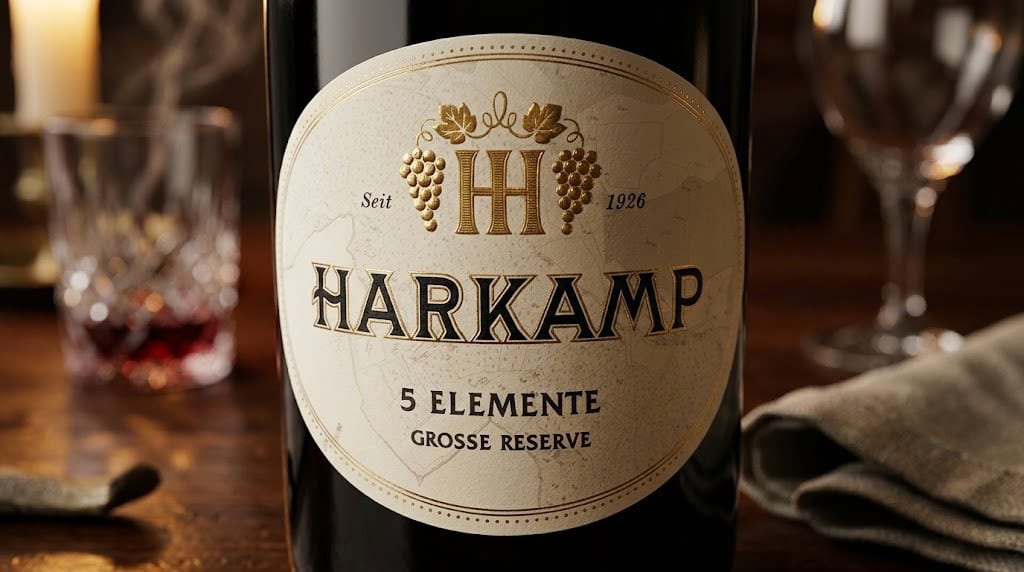
Harkamp Grosse
Reserve
Why It Stands Out
- Represents the highest tier of Austrian sparkling wine.
- Biodynamic farming practices ensure purity of fruit.
- Vibrant acidity paired with sophisticated autolytic depth.
- Aromas of toasted brioche, lemon curd, and crushed seashells.
A sophisticated alternative to grower Champagne, offering incredible precision and a persistent, fine perlage for the most discerning palates.
Price Range: –
Best Seller
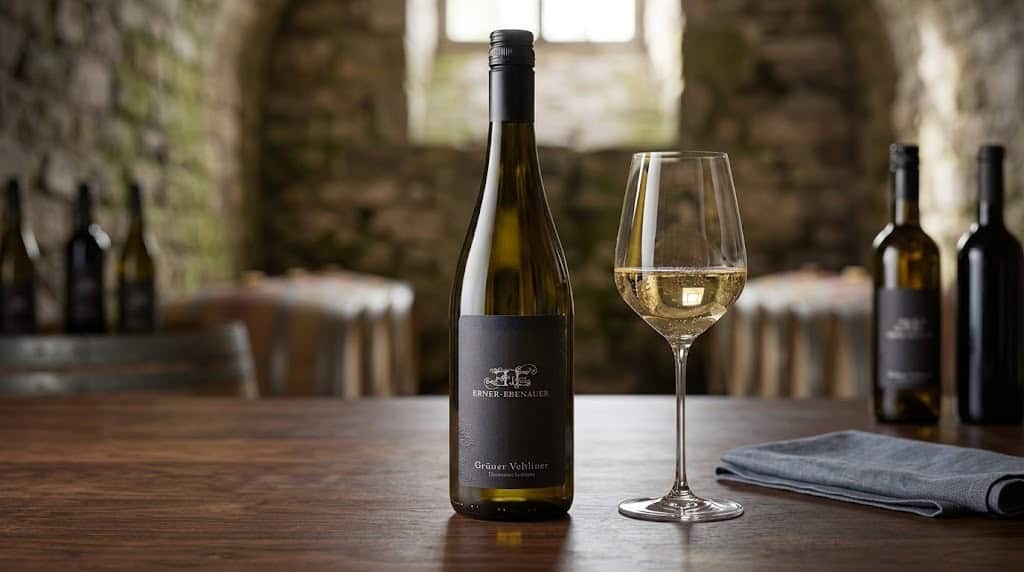
Ebner-Ebenauer
Hermanschachern
Why It Stands Out
- A benchmark for “Alte Reben” (Old Vines) in the Weinviertel.
- Mineral-driven profile from deep loess and limestone soils.
- Extended lees aging provides a creamy, Burgundian texture.
- Notes of white pepper, flint, golden apple, and savory garden herbs.
Perfect for collectors seeking the pinnacle of Grüner Veltliner’s aging potential.
Price Range: –
Serving Suggestions & Glassware Matters
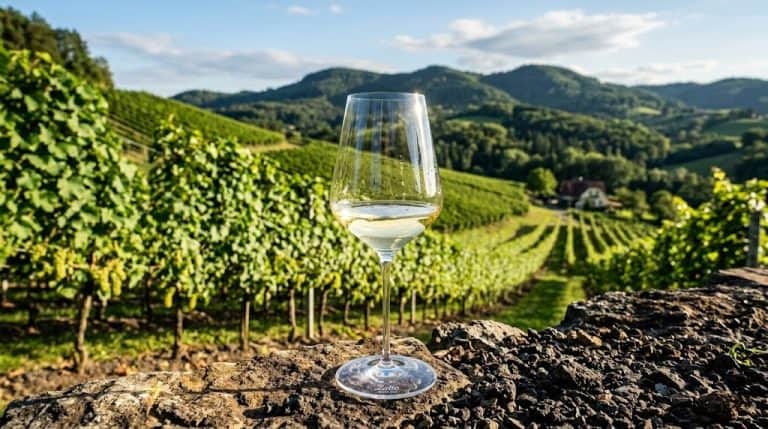
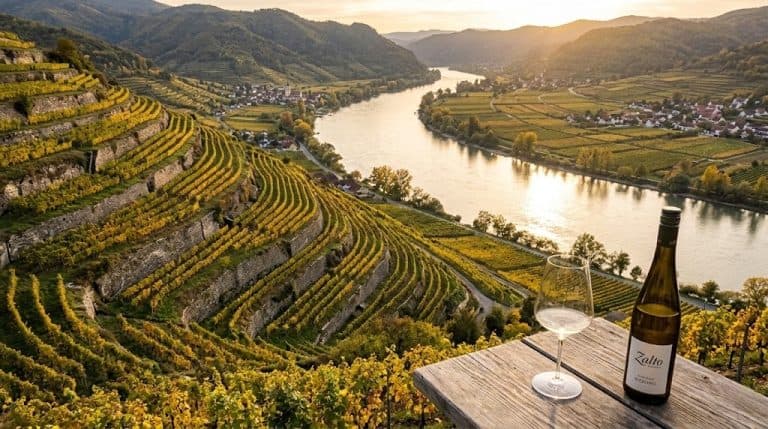
For wines of such clarity and finesse, glassware is not a detail — it is part of the experience. Serving top‑tier Weinviertel DAC or Sekt in Zalto glassware elevates the sensory journey: the wafer‑thin rims and perfectly shaped bowls accentuate aromatics and balance, bringing forward the nuanced pepper spice and succulent acidity these wines are prized for.
Food Pairing: Sophistication at the Table
The cool‑climate backbone of Weinviertel wines makes them ideal partners for elegant cuisine — from delicate seafood and shellfish to modern Austrian fare:
- Pan‑seared scallops with beurre blanc
- Truffle‑accented risotto
- Foie gras with citrus gastrique
- Artisanal charcuterie and alpine cheeses
- Classic Wiener Schnitzel
These wines never overpower; they enhance.
Visiting Weinviertel: A Collector’s Pilgrimage
For serious wine lovers, a trip to the Weinviertel — with its historic Kellergassen cellar lanes and rolling vineyards — is more than travel, it’s an education in place and craft. Combine cellar visits with culinary experiences in boutique guesthouses and Michelin‑level restaurants for a true immersion into Austria’s celebrated wine culture.
A Cool Climate Worth Collecting
The Weinviertel epitomizes how cool‑climate viticulture can produce wines of remarkable precision, balance, and terroir identity. From the iconic peppery Grüner Veltliner DAC to world‑class Sekts and site‑driven reserve bottlings, this region deserves a place in the glass and on the collector’s shelf.
Whether you sip vintage after vintage to assess evolution or enjoy new releases with fine cuisine, Weinviertel wines reward engagement — and for the seasoned enthusiast, they represent both enjoyment today and value tomorrow.